


What should I do if my baby has watery diarrhea?
Jun 02, 2022
Source: Cainiu Health

Dr. Xie Zixing
Introduction
First, the child should take smectite powder to stop diarrhea. Most newborns experience diarrhea due to gastrointestinal dysfunction caused by coldness in the stomach and intestines. Additionally, probiotics may be administered to help restore intestinal microbial balance, effectively alleviating diarrhea symptoms. If the baby is breastfed, the mother should avoid consuming spicy or otherwise irritating foods during this period.
Infant and toddler diarrhea is one of the most common diseases in this age group. It is a gastrointestinal syndrome caused by various pathogens and multiple contributing factors, with the highest incidence occurring during summer and autumn. So, what should be done when an infant develops watery diarrhea?
What to Do When an Infant Develops Watery Diarrhea
First, administer montmorillonite powder to the child to control diarrhea. Most newborns experience diarrhea due to gastrointestinal dysfunction triggered by cold exposure affecting the stomach and intestines. Additionally, probiotics may be given to help restore intestinal microbial balance, thereby effectively alleviating diarrhea symptoms. For breastfed infants, mothers should avoid consuming spicy, overly cold, or hard-to-digest foods during this period—this helps prevent worsening of the infant’s diarrhea and also benefits maternal health.
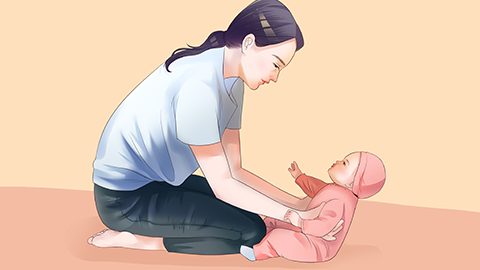
For formula-fed infants, feeding regular formula should be temporarily discontinued. Instead, lactose-free formula may be provided, which can effectively prevent exacerbation of diarrhea. If the infant develops fever alongside diarrhea, prompt medical consultation at a reputable hospital is essential. The diarrhea may stem from gastroenteritis, and treatment must strictly follow the physician’s instructions and recommendations.
Important considerations for infant diarrhea: First, infants with diarrhea require timely medical evaluation to determine the underlying cause—such as dietary errors, indigestion, or infection. Second, closely monitor the characteristics of the infant’s stools, including volume, color, and consistency. If blood is present in large amounts, stool testing is necessary to differentiate between bacterial and viral infection, enabling appropriate antibiotic selection if indicated. We hope this information proves helpful.


