


Can oral ulcers cause lymph node enlargement?

Some patients with oral ulcers worry that the ulcers may cause lymph node enlargement, leading to more serious health issues. So, can oral ulcers cause lymph node enlargement?
Can oral ulcers cause lymph node enlargement?
Oral ulcers are highly likely to cause lymph node enlargement—especially large, deep ulcers. The primary reason for lymph node enlargement is the body’s immune response: whenever inflammation occurs nearby, lymph nodes may swell. However, such swelling reflects active, reactive lymph nodes and is generally not a cause for concern.
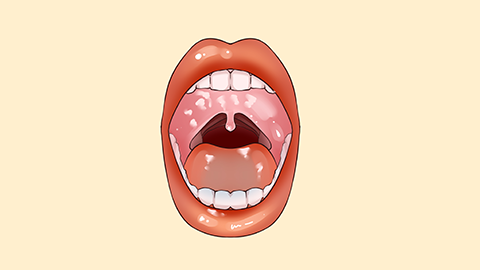
Severe oral ulcers—also known as periadenitis mucosa necrotica recurrens (or “adenocentric aphthae”)—are characterized by large, deep ulcers extending into the submucosal and even muscular layers. These ulcers may persist for several months and cause significant pain. They not only damage mucous glands (e.g., labial glands) but also trigger dense infiltration of lymphocytes, thereby contributing to lymph node enlargement. Moreover, upon healing, they may lead to fibrous scarring or even tissue defects.

Although herpetiform oral ulcers tend to be milder in severity, they often present as dozens of small ulcers clustered closely together—sometimes coalescing into larger lesions. This leads to marked mucosal hyperemia and erythema, increasing susceptibility to secondary bacterial infection. Systemic symptoms—including fever, fatigue, and myalgia—may develop, along with pronounced local lymphadenopathy. If you experience any discomfort or abnormal symptoms, we strongly recommend seeking prompt medical evaluation at a hospital. Appropriate management should always be performed under the guidance of a qualified healthcare professional. We hope this information has been helpful!


