


What Causes Watery Diarrhea?

When diarrhea occurs, it may present as watery stools. Numerous factors can cause diarrhea; thus, what are the underlying causes of watery diarrhea?
Causes of Watery Diarrhea
Watery diarrhea is often caused by gastroenteritis. Consuming food contaminated with pathogenic microorganisms, drinking polluted water, failing to wash hands before meals, or exposure to certain medications can all predispose individuals to gastroenteritis. The severity of symptoms depends on both the type and quantity of causative pathogens. Common manifestations of gastroenteritis include diarrhea (often watery), abdominal pain, loss of appetite, diaphoresis (excessive sweating), and fecal incontinence. Prolonged gastroenteritis—especially when accompanied by severe vomiting and diarrhea—can lead to dehydration, resulting in intense thirst, dry skin, hypokalemia, and hypotension.
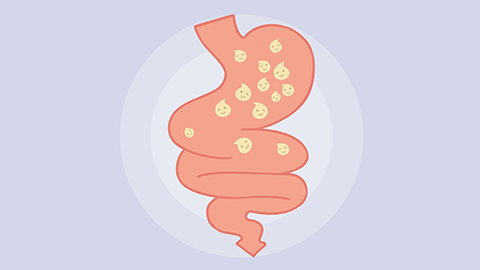
In cases of gastroenteritis-induced watery diarrhea, patients should promptly fast and receive timely correction of fluid and electrolyte imbalances. In severe cases, antidiarrheal medications may be used to alleviate symptoms. During seasonal changes, inadequate clothing or failure to cover oneself properly while sleeping may allow cold pathogens to invade the body; abdominal cooling can readily trigger diarrhea and watery stools. Excessive cold exposure to the abdomen may disrupt normal gastrointestinal motility and secretion, leading to loose or watery stools. Additionally, indigestion may also contribute to watery diarrhea.

Patients with chronic colitis may also experience diarrhea and watery stools. Chronic colitis is associated with various etiologies, including allergic reactions and genetic predisposition. Recurrent abdominal pain may accompany episodes of diarrhea and watery stools. We hope this article has been helpful. Wishing you a joyful life and optimal health!


