


What should I do if my face turns red and feels hot in winter?

Some women experience facial redness during winter, often accompanied by a sensation of warmth or fever. So, what should one do when experiencing facial redness and warmth in winter?
What to Do for Facial Redness and Warmth in Winter
Winter-related facial redness and warmth require adequate skin hydration and reinforcement of the skin’s stratum corneum (outermost layer). When cleansing the face, opt for a gentle, non-irritating cleanser. If the symptoms are allergy-induced, antihistamine medications may be used—such as chlorpheniramine (chlorphenamine maleate) or loratadine oral solution—to alleviate symptoms. Additionally, it is advisable to consult a healthcare provider to identify specific allergens through allergy testing and subsequently avoid exposure to them.
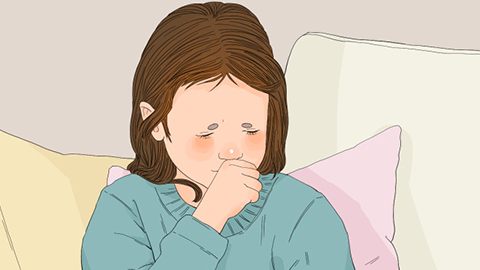
Indoor air should remain fresh and well-circulated, with temperature and humidity maintained at comfortable levels. In infants, facial redness and warmth during winter may also stem from internal heat accumulation—for instance, due to food stagnation (indigestion), which commonly triggers such symptoms. In such cases, promoting gastrointestinal motility is recommended; probiotics may be administered to help relieve symptoms, and abdominal warmth should be carefully maintained.
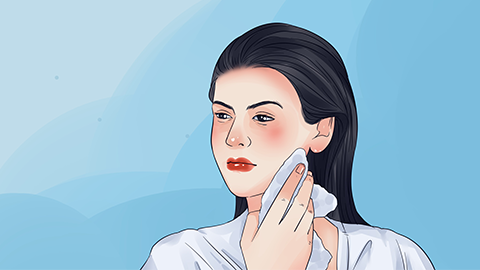
If the condition results from dry air combined with excessive facial moisture, restoring skin hydration and gently exfoliating the stratum corneum are essential. Again, use a mild cleanser when washing your face. When outdoors, always apply appropriate sun protection to prevent prolonged UV exposure, which can further compromise skin health. We hope this information proves helpful!


