


Can you drink black tea during your menstrual period?

Daily care during menstruation is especially important, and attention must also be paid to one’s diet and many daily habits—several adjustments are necessary during this period. So, can you drink black tea during your period?
Can you drink black tea during your period?
You may drink black tea in moderation during your period, but excessive consumption is not recommended. As a fully fermented tea, black tea is considered “warming” in nature according to Traditional Chinese Medicine (TCM). Drinking it in appropriate amounts may help regulate Qi and menstrual flow, alleviating symptoms such as abdominal distension and lower back pain associated with dysmenorrhea. However, excessive intake of black tea may impair iron absorption, potentially leading to iron-deficiency anemia—and consequently, reduced menstrual flow. It may also trigger or exacerbate menopausal symptoms. Due to its astringent properties, black tea could worsen constipation, breast tenderness, dysmenorrhea, and emotional irritability during menstruation.
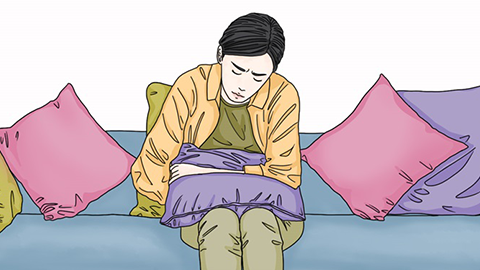
Menstruation occurs when ovarian function reaches maturity—typically beginning around age 11 or later in girls, as hormonal levels start undergoing cyclical changes accompanied by ovulation. Menstruation follows ovulation. This is a normal physiological manifestation in women of childbearing age. If pregnancy does not occur after ovulation each month, the endometrium sheds under the influence of the corpus luteum, resulting in menstrual bleeding. During this time, patients should maintain a light diet rich in warm congee, lean meat, vitamins, protein, and fresh fruits and vegetables. Additionally, maintaining regular daily routines during menstruation—avoiding overexertion and staying up late—is essential.

During menstruation, the endometrium sheds and the cervical os remains slightly open, while immune function is temporarily reduced. Therefore, special attention should be paid to external genital hygiene to prevent bacterial infection. We hope this information has been helpful!


