


Pseudostellaria heterophylla: Efficacy, Benefits, and Methods of Consumption
Jun 05, 2022
Source: Cainiu Health

Dr. He Haochen
Introduction
The primary function of Pseudostellaria heterophylla (Prince Ginseng) is to strengthen the spleen and nourish the stomach. It tonifies the spleen and lungs, replenishes Qi, and promotes the production of body fluids. It is used to treat lung-deficiency cough, poor appetite and impaired digestion due to spleen-stomach dysfunction, palpitations with edema, diabetes mellitus (xiao ke), cervical strain, and general physical weakness and fatigue. It is also indicated for yin deficiency of the spleen and stomach, accompanied by reduced appetite, lassitude, thirst, dry mouth and tongue, dry cough due to lung deficiency, dry throat with sticky phlegm, deficiency of both Qi and yin, palpitations, and insomnia. Additionally, it helps enhance immune function.
In daily life, some people habitually use ginseng for health maintenance. However, there are many different types of ginseng. So, what are the effects, benefits, and proper methods of using Pseudostellaria heterophylla (also known as “Child Ginseng” or “Tai Zi Shen”)?
Effects, Benefits, and Usage Methods of Pseudostellaria heterophylla
The primary therapeutic effect of Pseudostellaria heterophylla is to strengthen the spleen and nourish the stomach. It tonifies the spleen and lungs, replenishes Qi, and promotes the production of body fluids. It is commonly used to treat conditions such as lung-deficiency cough, poor appetite and digestive dysfunction due to spleen deficiency, palpitations with edema, diabetes (xiao ke), cervical strain, and general physical weakness. It is also indicated for spleen-stomach yin deficiency presenting as reduced appetite, fatigue, thirst, dry mouth and tongue, dry cough due to lung deficiency, dry throat with sticky phlegm, qi-yin deficiency, palpitations, and insomnia.
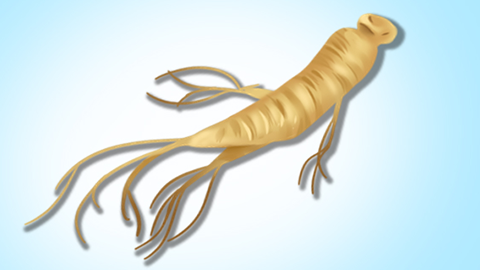
Enhances immune function. This herb contains polysaccharides, various amino acids, and minerals, which significantly boost human immune function and improve cardiac performance. Regular consumption may help strengthen overall constitution. Hemostatic effect: Its rhizomes increase red blood cell count and hemoglobin levels in hemorrhaging animals and markedly shorten bleeding time—exerting a pronounced hemostatic effect. Pseudostellaria heterophylla can be consumed in multiple ways: it may be decocted in water for oral administration, combined with other herbs in compound formulas, or incorporated into savory or vegetarian dishes—for example, as an ingredient in medicinal congee or herbal teas. Due to its mild, nourishing properties, it serves both as a gentle tonic and as part of dietary therapy for specific conditions.
Pseudostellaria heterophylla is a traditional Chinese herbal medicine; therefore, when incorporating it into daily health regimens, it should only be used under the guidance of a qualified healthcare professional. Self-administration without professional supervision is discouraged, as improper use may adversely affect health. We hope this information proves helpful to you.



