


Why does a newborn hiccup immediately after feeding?

In daily life, many women are first-time mothers. When breastfeeding, newborns may occasionally experience hiccups. So, what does it mean when a newborn hiccups immediately after feeding?
Why do newborns hiccup right after feeding?
Hiccups in newborns following feeding are most commonly caused by rapid feeding and excessive air intake. Additionally, transient diaphragmatic spasms or the baby feeling cold may also trigger hiccups after feeding. A newborn’s stomach lies horizontally, making regurgitation and hiccups more likely after feeding. Therefore, care must be taken during feeding to minimize air ingestion. For breastfed babies, proper latching and positioning are essential. For bottle-fed infants, ensure the nipple is fully filled with milk—not air—to prevent air swallowing.
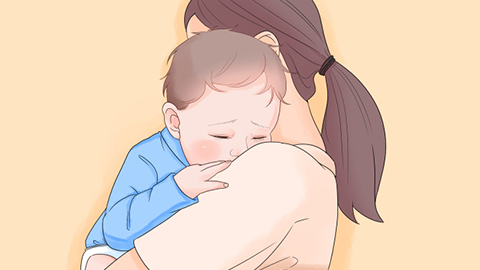
When milk flows too quickly, air is more readily swallowed, increasing the likelihood of hiccups. When a newborn hiccups after bottle-feeding, the following precautions should be observed: 1. Feed the baby before they become hungry and start crying—feeding while crying increases air intake. 2. When preparing formula, gently swirl the bottle (rather than shaking it up and down) to minimize air bubbles. 3. Always burp the baby after feeding. 4. Prevent abdominal chilling.

Mothers should pay close attention to correct feeding techniques for newborns to avoid adverse effects resulting from improper methods. We hope this information proves helpful!


