


Can bronchopneumonia resolve spontaneously?

Bronchopneumonia is a common infectious disease in children, particularly affecting infants under two years of age. Its characteristic symptoms include cough, sputum production, and fever; once these symptoms appear, prompt treatment is essential to prevent disease progression and serious complications. So, can bronchopneumonia resolve spontaneously?
Can bronchopneumonia resolve spontaneously?
Bronchopneumonia is typically caused by bacterial infection and rarely resolves without active medical intervention—appropriate treatment is necessary for recovery. Following onset, patients commonly develop clinical manifestations such as fever, cough, sputum production, chest tightness, and shortness of breath. Therefore, when these symptoms occur, bacterial bronchopneumonia should be promptly treated with antibiotics, along with symptomatic and supportive therapy. For instance, when cough and sputum production are prominent, antitussive and expectorant medications may be administered to facilitate sputum clearance and alleviate symptoms.
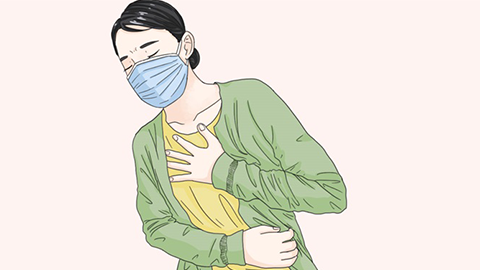
Bronchopneumonia primarily results from inhalation of large numbers of pathogens possessing high virulence. Inflammation may develop in the terminal bronchioles or alveoli—whether localized or systemic immune function is impaired or intact—and is also referred to as lobular pneumonia. It commonly occurs secondary to underlying pulmonary conditions, including chronic obstructive pulmonary disease (COPD), bronchiectasis, or in elderly patients who are bedridden for prolonged periods. Common causative pathogens include *Streptococcus pneumoniae*, *Staphylococcus aureus*, viruses, *Mycoplasma pneumoniae*, and *Legionella* species.

In addition to timely antimicrobial therapy, supportive care is crucial for patients with bronchopneumonia. A balanced, easily digestible diet is recommended to help prevent fluid and electrolyte imbalances. We hope this information proves helpful to you.


