


Can patients with acute gastroenteritis eat bananas?

As modern life accelerates, an increasing number of people are developing acute gastroenteritis—a condition often triggered by irregular eating habits. Gastroenteritis is not a trivial illness; in severe cases, it can even be life-threatening. Therefore, it warrants serious attention in daily life. So, can patients with acute gastroenteritis eat bananas?
Can patients with acute gastroenteritis eat bananas?
Patients with acute gastroenteritis are generally advised against eating bananas. It is recommended that they avoid consuming fruits—especially raw ones—as much as possible, since gastrointestinal function is significantly impaired during the acute phase, characterized by inflammation, congestion, and edema. Bananas are difficult to digest under these conditions. Moreover, bananas are considered “cold” in nature according to traditional dietary principles; consuming them may cause abdominal distension, discomfort, and exacerbate diarrhea. Instead, patients should opt for bland, easily digestible foods. If fruit intake is desired, consider preparing fruit congee (a rice porridge infused with cooked fruit), which aids digestion and mitigates the fruit’s cooling properties while supporting mucosal repair and nutritional replenishment.

If you have acute gastroenteritis, begin with liquid or semi-liquid foods. Avoid cold foods and raw fruits entirely, as they place additional strain on the stomach. Concurrently, follow your physician’s guidance regarding anti-inflammatory medications. Drinking warm water regularly helps alleviate abdominal pain. Additionally, refrain from fried foods, which worsen gastrointestinal congestion and edema. Smoking and alcohol consumption must also be avoided, along with grilled or barbecued foods, all of which can intensify inflammatory responses in the gastrointestinal tract and aggravate symptoms such as abdominal pain and diarrhea.
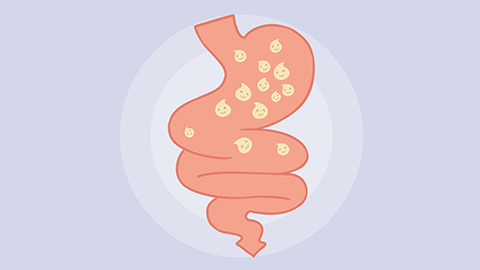
In daily life, acute gastroenteritis is relatively common. Maintaining healthy dietary habits is essential for prevention and recovery. We hope this information proves helpful to you.


