


Who Should Avoid Eating Century Eggs?

Century eggs (also known as preserved eggs or hundred-year eggs) are commonly consumed in daily life. Due to their distinctive flavor, some people particularly enjoy them. However, who should avoid eating century eggs?
Who Should Avoid Eating Century Eggs?
Century eggs are not recommended for children, pregnant women, individuals with hypertension, hyperlipidemia, or hyperglycemia (“the three highs”), the elderly, patients with liver disease, or those with compromised physical constitution and weakened immunity. As a pickled food product, century eggs contain trace amounts of lead, which—though minimal—may pose health risks to vulnerable populations such as children, pregnant women, and individuals with hepatic impairment. Moreover, during an active cold or flu, when one’s immune function is diminished, consuming century eggs may potentially exacerbate symptoms.
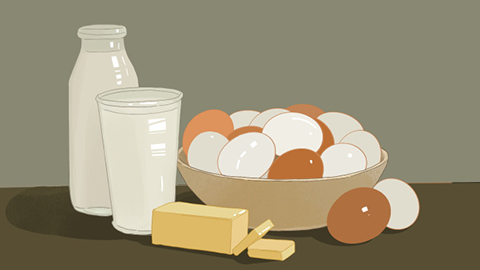
Also known as “pine-patterned eggs,” century eggs are a seasoned egg product primarily made from duck eggs. Traditionally, they have been used to alleviate sore throat, hoarseness, and constipation, as well as to clear heat, counteract alcohol toxicity, and treat diarrhea. Century eggs are alkaline foods rich in iron, methionine, vitamin E, and various minerals. However, due to alkaline-induced protein denaturation, their protein becomes less bioavailable and harder to digest. Precautions: Century eggs should not be consumed together with soft-shelled turtles (turtle meat), plums, or brown sugar. Additionally, because century eggs contain trace lead, consumption should be limited, and they should not be stored in the refrigerator.
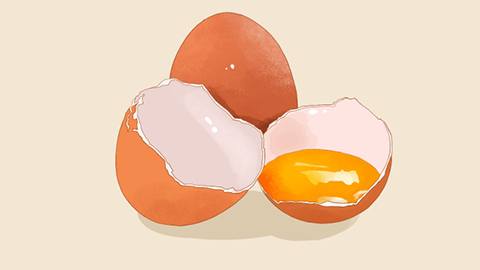
Century eggs are a traditional Chinese delicacy, prized for their tender, smooth, and refreshing texture, as well as their unique color, aroma, and flavor. They also possess certain medicinal properties and are commonly used in folk practice to relieve sore throat, hoarseness, constipation, and “excess internal heat.” Compared with fresh duck eggs, century eggs contain higher levels of minerals but slightly lower fat content and total caloric value. They can stimulate digestive organs, enhance appetite, promote digestion and absorption of nutrients, neutralize gastric acid, and exert a cooling, blood-pressure-lowering effect. We hope this information proves helpful!


