How to treat itchy blisters on the feet
Jun 06, 2022
Source: Cainiu Health

Dr. Liu Wan
Introduction
Initially, symptoms such as blisters and itching on the feet should be actively treated with topical antifungal medications, including terbinafine cream, clotrimazole cream, miconazole cream, and ketoconazole cream. Localized blisters and itching are characteristic of tinea pedis (athlete’s foot), a fungal skin infection. The aforementioned agents possess potent antifungal activity; once the fungal infection is controlled, the local blisters and itching gradually improve.
Sometimes we notice blisters appearing on our feet, accompanied by intense itching—causing considerable discomfort in daily life and studies. So, how should we treat itchy blisters on the feet?
How to Treat Itchy Blisters on the Feet
Firstly, if blisters and itching appear on the feet, topical antifungal medications should be applied promptly for symptomatic treatment—for example, terbinafine cream, clotrimazole cream, miconazole cream, or ketoconazole cream. Localized blisters and itching are commonly indicative of tinea pedis (athlete’s foot), a fungal skin infection. These antifungal agents possess strong antifungal activity; once the fungal infection is brought under control, the blisters and itching will gradually subside. Moreover, since fungal infections can spread via cross-contamination, socks should be washed separately and disinfected thoroughly using sunlight exposure. After recovery, it is advisable to replace old socks entirely.
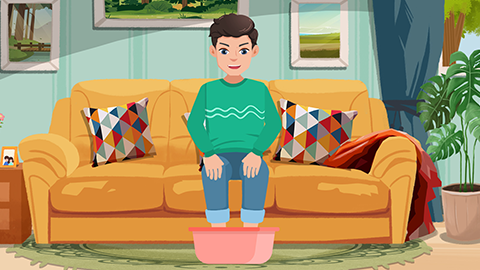
Secondly, blisters may also result from excessive walking or prolonged friction between the foot and footwear—typically requiring no specific treatment. As the blister dries naturally, applying asparagus extract (or an appropriate over-the-counter anti-itch ointment) may help relieve itching. Such occurrences may stem from inadequate daily hygiene, unclean footwear or socks, or poor personal hygiene practices. Therefore, regularly changing and washing socks and shoes, consuming more fruits and vegetables, supplementing vitamins, and boosting one’s immune system are all recommended.
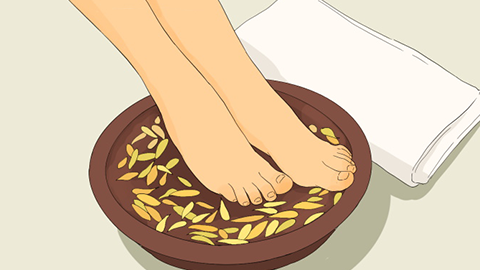
In daily life, maintain good local hygiene and foot care: change shoes and socks frequently, wash feet regularly, cultivate healthy lifestyle habits, and ensure adequate rest. We hope this information proves helpful to you!