


What nutrient deficiency causes mouth ulcers?

A common oral mucosal disorder that can occur anywhere on the oral mucosa, but is more frequently observed on the lips, buccal mucosa, soft palate, or gingiva. So, what nutrient deficiencies are associated with recurrent aphthous ulcers (canker sores)?
What nutrients are commonly deficient in patients with recurrent aphthous ulcers?
Deficiencies in B-complex vitamins—particularly vitamin B₂ (riboflavin), vitamin B₆ (pyridoxine), and vitamin B₁₂ (cobalamin)—are most commonly implicated, followed by deficiencies in iron, zinc, and other trace elements. The development of recurrent aphthous ulcers is closely linked to dietary habits, living environment, immune function, psychosocial stress (including work- and lifestyle-related pressures), and especially dietary composition. Vitamins are essential micronutrients required for normal human metabolism. In addition to regulating metabolic processes, they also promote cellular growth and division. Deficiencies in vitamin B₂, B₆, or B₁₂ may predispose individuals to recurrent aphthous ulcers.
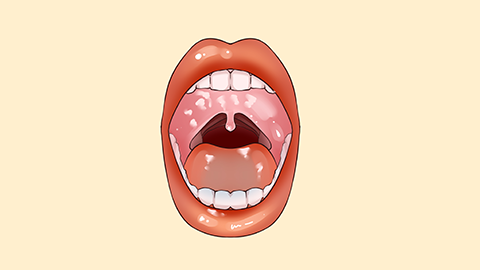
Among these, vitamin B₂ deficiency is the most common. Its clinical manifestations are most prominent in the skin and mucosa, impairing cellular energy metabolism and affecting biological oxidation processes. Lesions typically occur around the mouth and eyes. When involving the oral cavity, symptoms may be particularly evident—presenting as recurrent aphthous ulcers. Vitamin C deficiency may also contribute to oral ulceration, gingival swelling and bleeding, and periodontitis.
Trace elements: Folate deficiency may lead to megaloblastic anemia. Folate supplementation supports mucosal epithelial regeneration and repair. Severe dietary imbalances—including deficiencies in iron and zinc—may compromise cellular immunity and thereby trigger recurrent aphthous ulcers. Currently, targeted supplementation of iron, zinc, and other trace elements has been shown to effectively alleviate ulcer symptoms. We hope this information proves helpful to you!


