


Can patients with acute gastroenteritis eat eggs?

Eggs are a common food item on the dining table, rich in various nutrients essential for the human body, affordable, and versatile in preparation. However, certain populations should avoid consuming eggs—such as individuals with egg allergy or elevated cholesterol levels. So, can patients with acute gastroenteritis eat eggs?
Can patients with acute gastroenteritis eat eggs?
If a patient is experiencing an active episode of acute gastroenteritis, egg consumption is not recommended. Eggs are high-protein foods that are relatively difficult to digest. During an acute gastroenteritis episode, gastrointestinal function is disrupted; consuming hard-to-digest foods places additional strain on the stomach and may impede recovery. Once diarrhea has subsided and the patient enters the recovery phase, small amounts of soft, easily digestible egg-based foods—such as steamed egg custard or egg drop soup—may be appropriate. Whole boiled eggs, however, are not advised due to their poor digestibility.
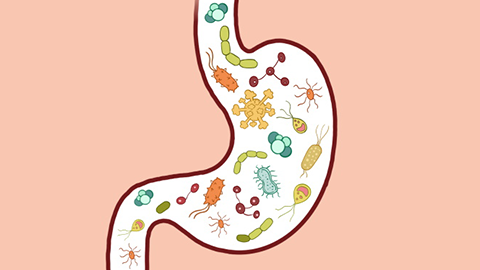
Acute gastroenteritis is primarily caused by ingestion of contaminated food and bacterial infection; therefore, it can be prevented through dietary measures. During daily meals, avoid excessive intake of spicy or irritating foods. Instead, opt for bland, easily digestible foods such as congee, steamed buns, and noodles. Probiotics, yogurt, and milk may be consumed in moderation to help regulate gut microbiota. Minimize consumption of takeout meals, barbecued foods, and other items commonly associated with higher bacterial contamination. Incorporating more whole grains into the diet can also promote gastrointestinal motility.

Acute gastroenteritis not only compromises physical health but, if left untreated or recurrent, may progress to chronic gastroenteritis—potentially leading to serious complications such as ulcers or perforation, which can be life-threatening. Thus, prompt treatment and preventive measures are essential. We hope this information proves helpful to you.


