


What Causes Abdominal Pain and Fever?

Abdominal pain and fever are common symptoms many people have experienced. During a fever, individuals often alternate between feeling cold and hot, and may also experience headache and dizziness. Abdominal pain accompanied by fever is likewise a frequent clinical presentation. So, what causes abdominal pain and fever?
Causes of Abdominal Pain and Fever
There are several possible causes of abdominal pain and fever.
First scenario: If abdominal pain precedes the onset of fever, acute appendicitis or peritonitis should be suspected. In most cases of appendicitis, patients experience pain in the left upper abdomen or around the umbilicus—sometimes mimicking gastric pain. Additional symptoms include nausea, vomiting, loss of appetite, fever, generalized weakness, and signs of acute appendicitis.
Second scenario: Abdominal pain, fever, and diarrhea collectively suggest enteritis. Patients should pay attention to dietary habits—avoiding spicy foods and opting for easily digestible meals. When gastric pain occurs alongside fever, it may indicate gastroenteritis (often colloquially termed “stomach flu”). Treatment should follow physician guidance, including appropriate medication and targeted therapy to achieve optimal clinical outcomes.
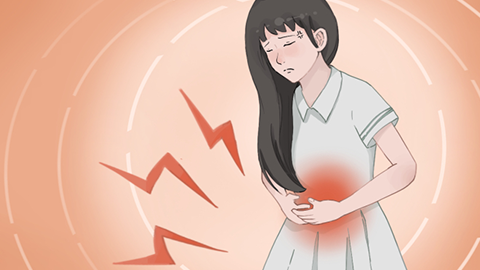
Abdominal pain and fever may also stem from acute enteritis, high-grade fever, constitutional weakness (e.g., heart qi deficiency), or gastralgia. Bacterial infection-induced gastrointestinal disorders can cause gastric discomfort and pain. Gastrointestinal spasm combined with upper respiratory tract infection may likewise trigger fever and abdominal pain. Viral or bacterial gastroenteritis commonly presents with vomiting, diarrhea, and abdominal distension. Irregular eating patterns may lead to food spoilage, allowing bacteria to invade the gastrointestinal mucosa—causing mucosal congestion, edema, and potentially dehydration-related fever.
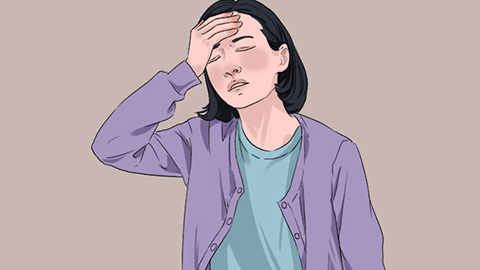
During fever, adequate hydration is essential to replenish fluids lost from the body. Increased water intake also promotes sweating, facilitating heat dissipation through evaporation. We hope this information proves helpful.


