


Aphthous oral ulcers

Sometimes, while in the hospital, we hear the term “aphthous stomatitis,” yet many people are unfamiliar with what this condition actually is. So—what exactly is aphthous stomatitis?
Aphthous Stomatitis
Aphthous ulcers—also known simply as aphthae—are the most common type of oral ulcer encountered in daily life. They typically occur on soft mucosal surfaces, such as the buccal mucosa and lingual mucosa. This condition is characterized by recurrence, periodicity, and self-limitation; most lesions resolve spontaneously within one week. Aphthous stomatitis is thus a common disorder affecting the oral mucosa.
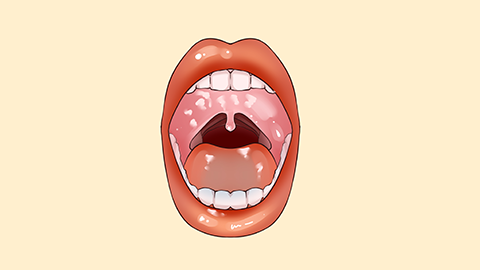
The precise etiology remains unclear; however, current evidence suggests associations with immune dysfunction, genetic predisposition, and environmental factors. For instance, deficiencies in vitamins or trace elements—including iron, manganese, zinc, and selenium—may increase susceptibility to oral ulcers. Moreover, the ulcerated area is highly sensitive to external stimuli; even minor contact can provoke intense pain. Patients with aphthous stomatitis may benefit from routine supplementation with vitamins or increased dietary intake of vitamin- and trace-element–rich vegetables and fruits to correct underlying nutritional deficiencies.
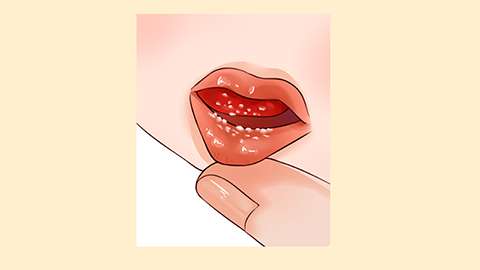
Additionally, individuals experiencing aphthous stomatitis should maintain an optimistic mindset, engage regularly in physical exercise, and strive to enhance both immune function and overall physical fitness. We hope this information proves helpful!


