


What traditional Chinese patent medicines are used to treat diabetes?

Currently, numerous traditional Chinese patent medicines are available for diabetes management. So, which traditional Chinese patent medicines are used to treat diabetes?
Traditional Chinese Patent Medicines for Diabetes Management
Several herbal preparations currently available on the market—including Shengqi Jiangtang Granules and Jinlidai Granules—contain Scutellaria baicalensis (Huangqin) as a key ingredient. These formulas primarily function to tonify Qi and address Yin deficiency with Yang hyperactivity, thereby exerting a regulatory effect on blood glucose levels in diabetic patients and alleviating associated symptoms. Traditional Chinese medicine (TCM) treatments for diabetes specifically target Yin deficiency to relieve symptoms such as dry mouth, excessive thirst, frequent urination, weight loss, and fatigue. Diabetes is termed “Xiao Ke Bing” (wasting-thirst syndrome) in TCM, characterized by Yin deficiency and Yang hyperactivity.
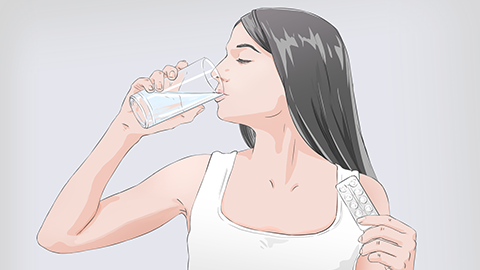
A wide variety of traditional Chinese medicines are employed for diabetes treatment. Representative agents such as Tianqi Jiangtang Capsules work by reinforcing Qi and nourishing Yin to improve insulin resistance, regulate spleen function, promote fluid production, and alleviate thirst. They may also help restore partial pancreatic β-cell function, making them first-line options for newly diagnosed, early-stage, or elderly diabetic patients. Ginseng is another commonly used herb for lowering blood glucose; it contains ginsenosides, which not only reduce blood glucose but also reinforce Qi and nourish Yin. Gypsum (Shi Gao) clears heat and nourishes Yin, effectively dispelling stomach fire—a common issue in diabetic patients who often experience increased appetite and postprandial hunger.
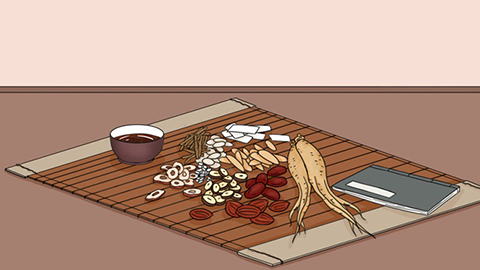
In TCM terminology, this symptom is described as “Xiao Gu Shan Ji E” (excessive hunger with rapid digestion), indicating excessive stomach fire. Gypsum may be used in such cases—but strictly under professional medical guidance. Wishing you good health and happiness!


