


What is the most effective treatment for axillary osmidrosis?
Jun 08, 2022
Source: Cainiu Health

Dr. Liu Wan
Introduction
Most Effective Treatment for Axillary Odor:
Surgical excision is the most effective treatment for bromhidrosis (fox odor) and can be performed via either conventional surgery or minimally invasive surgery. Minimally invasive surgery offers advantages over conventional surgery, including smaller incisions, faster recovery, and shorter operative time.
Antiperspirant deodorant lotions can effectively reduce sweat secretion and inhibit bacterial proliferation on the skin surface.
Traditional Chinese medicine (TCM) therapy is also an option, utilizing herbs with aromatic and turbidity-resolving properties.
Axillary osmidrosis (commonly known as “fox odor”) is primarily caused by genetic factors. The axillae contain abundant apocrine glands that secrete copiously, and this condition significantly impairs patients’ physical and mental well-being. So, what is the most effective treatment for axillary osmidrosis?
What Is the Most Effective Treatment for Axillary Osmidrosis?
The most effective treatment for axillary osmidrosis is surgical excision—the gold standard for managing this condition. Surgical approaches include conventional open surgery and minimally invasive techniques; the latter offers advantages such as smaller incisions, faster recovery, and shorter operative time. Topical antiperspirant deodorants containing aromatic ingredients can effectively reduce sweat secretion and inhibit bacterial proliferation on the skin surface. Additionally, traditional Chinese medicine (TCM) may be employed—using herbs with aromatic, turbidity-resolving, and cooling antiperspirant properties, applied externally via washing or topical application.
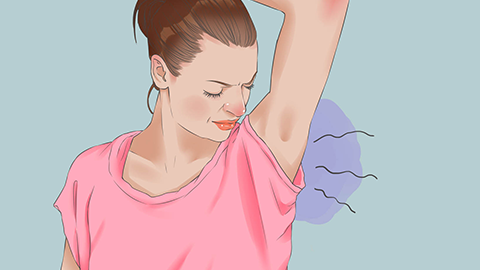
Axillary osmidrosis arises because the axillae harbor numerous apocrine glands that secrete lipid-rich substances. Under bacterial action, bacterial proteolytic enzymes break down these secretions, generating volatile fatty acids responsible for the characteristic pungent, sour odor. The predominant resident bacteria in the axillary region are Corynebacterium species and Micrococcus species, which produce elevated levels of proteases, thereby accelerating protein degradation and resulting in foul-smelling, putrid secretions.
This condition is predominantly genetically determined, and its severity varies widely among individuals. Therefore, therapeutic strategies must be tailored according to disease severity. Given its profound negative impact on patients’ physical and psychological health, prompt intervention is essential. Patients should wear loose-fitting, cotton clothing; cleanse the axillae promptly after sweating; and avoid strongly flavored, pungent foods such as onions and garlic. We hope this article has been helpful to you!





