


Can vitamin B2 treat oral ulcers?

Aphthous ulcers (canker sores) are a very common oral condition. The etiology of aphthous ulcers is complex and multifactorial. Some patients take vitamin B2 to treat these ulcers—so, does vitamin B2 effectively treat aphthous ulcers?
Does vitamin B2 treat aphthous ulcers?
Vitamin B2 is not indicated for the treatment of aphthous ulcers. These ulcers are typically self-limiting and self-resolving. They commonly arise due to local trauma (e.g., accidental biting), decreased immune resistance, or dietary irritants. In mild cases, no pharmacological intervention is required. Most ulcers resolve spontaneously within 7–10 days. For symptomatic relief—particularly when pain is prominent—patients may apply topical Xigua Shuang (Watermelon Frost) spray to promote ulcer healing, or use Italian-style oral adhesive patches, which effectively alleviate ulcer-related pain. While supplementation with B-complex vitamins and vitamin C during an episode may help bolster immune function, such supplements are not therapeutic for the ulcers themselves.
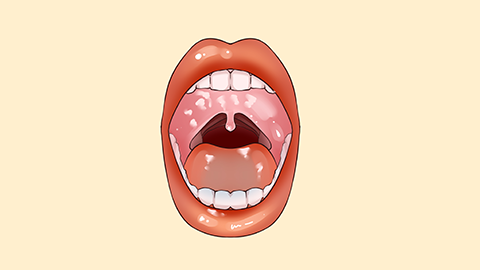
Patients with recurrent aphthous ulcers may be prescribed medications such as zinc sulfate tablets and B-complex vitamin tablets. In more severe cases, immunosuppressants or corticosteroids may be considered. Additionally, traditional Chinese medicine (TCM) formulations may be used according to syndrome differentiation: for patients with “excess heat in the spleen and stomach,” heat-clearing and fire-purging herbal formulas are recommended; for those with “spleen-kidney yang deficiency,” herbs such as Moutan Cortex (Danpi), Alisma Rhizome (Zexie), and Atractylodes Rhizome (Cangzhu) may be selected. Micronutrient supplementation: Recurrent aphthous ulcers are often associated with deficiencies in vitamins, zinc, and other trace elements; thus, zinc sulfate syrup or zinc sulfate tablets are frequently prescribed. Concurrent administration of vitamin C tablets and B-complex vitamin tablets may also be beneficial. Immunosuppressants: Since clinical evidence suggests that immune dysregulation plays a key role in aphthous ulcer pathogenesis, corticosteroids—including dexamethasone, prednisone, or methylprednisolone—may be prescribed.
Patients experiencing such symptoms should initiate appropriate treatment promptly; in severe or refractory cases, medical evaluation and management at a healthcare facility are strongly advised. We hope this article has been helpful to you!


