


Can you kiss if you have mouth ulcers?

Some patients with oral ulcers wonder whether kissing their girlfriend during a date might affect their condition—and thus seek to understand whether kissing is safe when suffering from oral ulcers. So, is it safe to kiss while having an oral ulcer?
Can you kiss if you have an oral ulcer?
Kissing is generally permissible for individuals with oral ulcers, but deep (tongue) kissing is not recommended. Oral ulcers are not contagious and cannot be transmitted through ordinary kissing. However, it is advisable to minimize kissing altogether. After all, the ulcer itself represents an open, inflamed lesion teeming with bacteria. Tongue kissing, in particular, may trigger painful, burning sensations due to mechanical irritation.
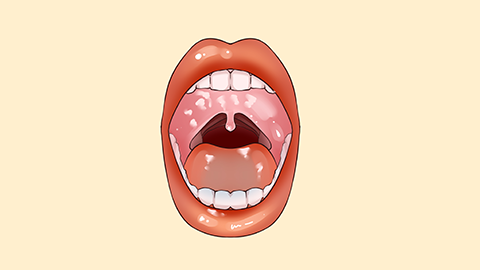
Oral ulceration is a common mucosal disorder of the mouth. In most cases, no clear bacterial or viral infection underlies the condition. Rather, even normal oral flora may provoke a mild localized inflammatory response, resulting in pain. In some patients, oral ulcers arise secondary to viral infections—particularly human papillomavirus (HPV)—manifesting initially as small papules that rupture to form ulcers. The precise pathogenesis remains incompletely understood; however, modern medicine suggests that genetic predisposition, immune dysfunction, and environmental factors likely contribute. Moreover, oral ulcers may reflect systemic conditions such as gastrointestinal or hepatobiliary disorders.
Oral ulcers are currently incurable; management focuses primarily on local symptomatic treatment. Commonly used therapies include applying watermelon frost spray for anti-inflammatory effects, followed by topical application of medicated oral films to reduce inflammation and relieve pain. We hope this article has been helpful!


