


What Causes Snoring?

Snoring is a common phenomenon in daily life, and its frequency tends to increase with age. So, what causes snoring?
What Causes Snoring?
Narrowing of the upper airway is the primary cause of snoring. The respiratory tract typically includes the nasal and pharyngeal passages. However, localized obstructions may occur—for example, due to nasal polyps or severe turbinate hypertrophy within the nose, or large vocal cord polyps in the throat—thereby interfering with normal breathing during sleep. Patients with cervical spondylosis may also experience snoring, as impaired cerebral blood circulation during sleep can contribute to this condition. Excessive body weight increases the physiological burden of sleep; excess fat accumulation around the neck during sleep exerts pressure on surrounding tissues, leading to snoring.
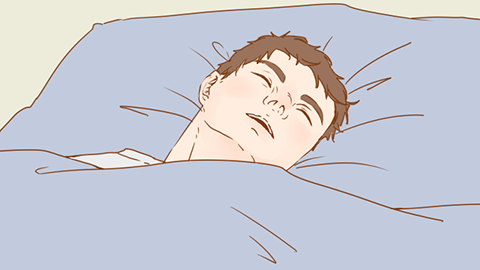
Mild snoring can often be prevented through lifestyle modifications. First, regular physical exercise and appropriate weight loss should be prioritized to reduce obesity-related airway obstruction. Additionally, avoid smoking, alcohol consumption, sedatives, and other substances that may depress the respiratory center. Furthermore, avoid sleeping on high pillows or in the supine position at night. Instead, adopt the lateral (side-lying) sleeping position, which helps relieve pressure on the pharynx, alleviates airway obstruction, and prevents snoring episodes.

Individuals who snore should promptly adjust their sleeping posture and improve their lifestyle habits. We hope this information proves helpful to you.


