


What to Do When Your Baby Refuses Formula: The Most Effective Solutions

Some new mothers wish to regain their pre-pregnancy figure quickly after childbirth and therefore opt to feed their babies formula instead of breastfeeding. However, many infants refuse formula milk. So, what is the most effective approach when a baby refuses formula?
Most Effective Strategies When a Baby Refuses Formula
First, observe whether your baby shows signs of discomfort or illness; if necessary, consult a pediatrician for evaluation. If your baby dislikes infant formula after weaning, consider the following strategies: • Choose an appropriate bottle nipple. Some infants reject formula because they are unaccustomed to bottle-feeding. Select a softer nipple with texture and shape resembling the mother’s breast. • Try alternative feeding methods, such as using a small spoon or cup to administer formula. • After weaning, infant formula is recommended—not only for its comprehensive nutritional profile but also for its easy digestibility. If your baby initially resists the taste, you may gradually introduce small amounts of glucose to help them adapt.
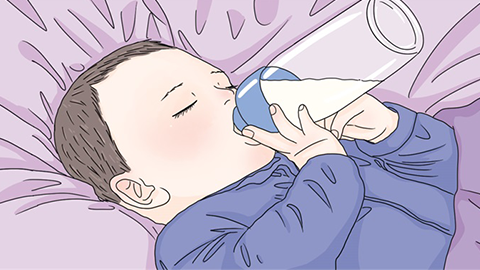
Additionally, moderately extend the interval between feedings to allow your baby to feel hunger, thereby increasing their willingness to accept formula. Offer diverse complementary foods to help your baby adapt to various textures and flavors—this promotes faster acceptance of new foods. If your baby truly refuses formula, remain calm and ensure adequate protein intake through other sources, such as meat puree, eggs, and soy products.

In daily care, maintain proper warmth for your baby to prevent colds, and ensure regular ventilation to keep indoor air fresh. We hope this information proves helpful!


