


What Causes Drooling in the Elderly?

Essentially, nearly every family has elderly members, and caring for them is a responsibility of the younger generation. Occasionally, many people find it puzzling when they notice that older adults frequently drool involuntarily—a phenomenon that does not occur during sleep. So, what causes excessive salivation (drooling) in the elderly?
What Causes Drooling in the Elderly?
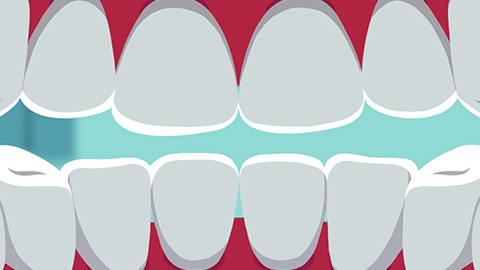
Drooling in older adults can stem from numerous factors—some physiological and others pathological. Physiologically, age-related facial muscle laxity and sagging may lead to drooling, particularly during talking or emotional outbursts. The drooling may not be consistent; saliva may flow alternately from one side to the other. Additionally, loose or missing teeth in the elderly can also contribute to drooling, often manifesting as persistent unilateral (one-sided) salivation.
Organic (structural) diseases may also cause drooling. For instance, facial nerve palsy—whether central or peripheral—can result from various underlying causes in older adults. This condition leads to facial asymmetry, with drooping on the affected side and an uneven mouth contour (e.g., one corner of the mouth higher than the other). Furthermore, individuals with dementia or Alzheimer’s disease experience declining cognitive function and impaired swallowing reflexes, resulting in uncontrolled drooling. Similarly, patients with Parkinson’s disease or Parkinsonian syndromes often exhibit increased muscle rigidity and dysphagia (swallowing difficulty), leading to involuntary drooling.
It is advisable to assess drooling in the elderly from multiple perspectives. We hope this explanation proves helpful.


