


Dosage of Sinusitis Oral Liquid for Children

Sinusitis Oral Liquid is a dark brown to deep brown liquid with an aromatic odor and a bitter taste. It functions to unblock nasal passages and is commonly used for nasal congestion, thick yellow nasal discharge, and conditions such as acute or chronic rhinitis and paranasal sinusitis. So, what is the recommended dosage for children?
Dosage of Sinusitis Oral Liquid for Children
The dosage of Sinusitis Oral Liquid is primarily determined by the child’s age. For instance, children aged 6–12 years may take 5 mL to 8 mL per dose, while those under 6 years typically receive 3–5 mL. Dosage may be adjusted appropriately according to the patient’s weight, age, and severity of condition. For example, a 3-year-old child with severe symptoms may take 5 mL, whereas a 5-year-old with milder symptoms may take 3 mL. Short-term use may also be considered if other restrictions apply. The exact dosage should be individualized based on clinical circumstances.
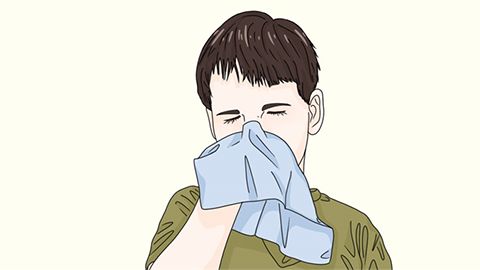
Sinusitis Oral Liquid is a purely traditional Chinese herbal formulation composed of Xanthii Fructus (Cang Er Zi), Magnoliae Flos (Xin Yi), Angelicae Dahuricae Radix (Bai Zhi), Menthae Haplocalycis Herba (Bo He), Bupleuri Radix (Chai Hu), Gentianae Radix (Long Dan Cao), Gardeniae Fructus (Zhi Zi), Akebiae Caulis (Mu Tong), Poria (Fu Ling), Platycodonis Radix (Jie Geng), and Astragali Radix (Huang Qi). It acts to soothe the Liver and promote Gallbladder function. Note that, to ensure optimal therapeutic efficacy, patients should avoid concurrently taking tonifying Chinese herbal medicines during treatment. Smoking, alcohol, spicy foods, and seafood should also be avoided. If symptoms do not improve within three days of treatment, medical consultation is advised.
Patients diagnosed with rhinitis are generally advised not to self-prescribe medications. Instead, it is best to consult a qualified healthcare provider for professional assessment and targeted treatment. We hope this information has been helpful!


