


Is it normal to drool while sleeping during pregnancy?

If you frequently drool while sleeping—especially as an adult—you should pay attention to your health. Don’t assume drooling is harmless and simply wipe it away upon waking. In fact, for adults, nocturnal drooling can be a sign of underlying medical conditions and therefore warrants careful attention, identification of the cause, and proactive management. So, is drooling during sleep normal during pregnancy?
Is Drooling During Sleep Normal in Pregnancy?
Drooling during sleep is generally normal during pregnancy, and expectant mothers need not worry excessively. After conception, progesterone levels rise significantly, which enhances salivary gland activity and markedly increases saliva production—leading to drooling while asleep. Elevated progesterone can also slow gastrointestinal motility and impair digestive function, further contributing to nocturnal drooling. An improper sleeping position—such as sleeping on one’s side or stomach—may cause the mouth to open involuntarily during sleep, allowing saliva to escape. Additionally, oral diseases (e.g., gingivitis or periodontitis) can trigger excessive salivation, resulting in drooling during sleep.
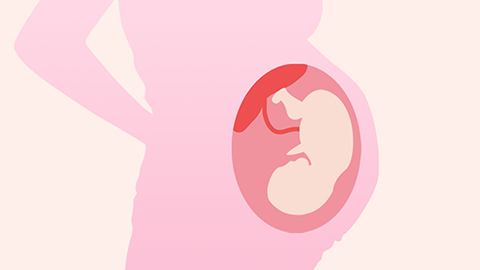
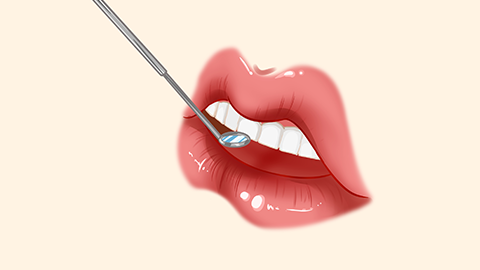
Pregnant women with dental abnormalities—such as misaligned, crooked, or jagged teeth—may also experience sleep-related drooling. Certain medications—including antidepressants and central nervous system depressants—can have side effects that include increased salivation and subsequent drooling during sleep. Conditions such as rhinitis or sinusitis may cause nasal congestion, forcing mouth breathing. If the mouth remains open during sleep, drooling may occur; in such cases, consultation with a dentist or oral health specialist is recommended.
Patients are advised to follow a light, easily digestible, and nutritionally balanced diet. Listening to soothing music before bedtime may also help relax the mind and improve sleep quality. We hope this information proves helpful.


