


Does staying up late during puberty stunt growth?
Jun 09, 2022
Source: Cainiu Health

Dr. Pan Yongyuan
Introduction
Chronic late-night sleeping is generally detrimental to physical growth and development and can hinder height increase. In adults, whose physical development is largely complete, staying up late has virtually no effect on height. However, for adolescents—and especially for children—the nighttime hours represent the peak period for human growth hormone (GH) secretion. Specifically, GH is secreted by the brain during sleep at night.
Today, an increasing number of people stay up late every day, and prolonged sleep deprivation is highly detrimental to health. Many individuals frequently develop acne as a result of staying up late; this condition is closely linked to inadequate dietary control and a decline in the body’s immune resistance following late-night activity. So, does staying up late during puberty hinder height growth?
Does staying up late during puberty stunt height growth?
Chronic sleep deprivation generally impairs physical growth and development and can negatively affect height gain. In adults, whose skeletal structure is largely complete, staying up late has virtually no impact on final height. However, for adolescents—and especially for children—the nighttime hours represent the peak period for growth hormone secretion. Specifically, growth hormone is primarily secreted by the brain during sleep. This hormone plays a critical role in regulating height, brain development, and other aspects of physical maturation. Prolonged sleep deprivation during adolescence may significantly suppress growth hormone secretion, potentially resulting in suboptimal height attainment—or even stunted growth. Additionally, it may contribute to other adverse effects, such as precocious puberty and hormonal imbalances. Therefore, adolescents are generally advised against habitual late-night activity.
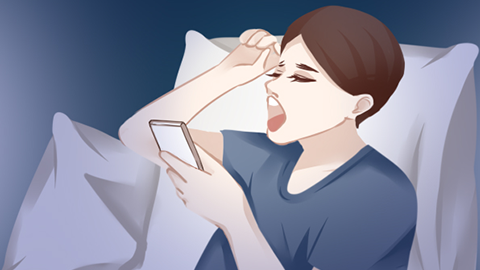
In general, chronic sleep deprivation can hinder height growth—particularly when it occurs frequently, making the negative impact more pronounced. It is recommended to maintain a balanced routine of work and rest in daily life and avoid frequent late-night activity. Height growth is regulated by both growth hormone and sex hormones; staying up late easily disrupts endocrine balance, impairing the secretion of these hormones and thereby slowing height gain—especially with habitual sleep deprivation. Moreover, chronic sleep loss may prevent the liver and kidneys from obtaining adequate rest over extended periods, leading to functional decline and potential damage to these organs, which in turn further compromises growth hormone secretion and contributes to growth retardation.
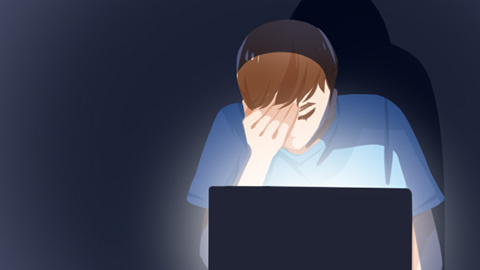
In daily life, it is advisable to maintain a regular schedule of work and rest, ensure sufficient sleep, avoid frequent late-night activity, consume more fresh fruits and vegetables, maintain balanced nutrition, and engage in regular physical exercise. These habits help strengthen overall physical constitution and support healthy height development. We hope this information proves helpful to you.









