


What Causes Rheumatic Diseases?
Jun 09, 2022
Source: Cainiu Health

Dr. Liu Aihua
Introduction
The exact cause of rheumatic diseases remains incompletely understood, as this category encompasses over 100 disorders classified into 10 major groups, with diverse etiologies and poorly elucidated pathogenic mechanisms. However, most rheumatic diseases are closely associated with autoimmune responses and exhibit a certain degree of genetic predisposition. Consequently, contributing factors to rheumatic diseases include genetic, environmental, infectious, and endocrine-metabolic factors.
Rheumatic diseases primarily refer to disorders that affect blood vessels, bones, and associated soft tissues or connective tissues. Most rheumatic diseases develop insidiously or progress slowly. Patients should understand relevant disease information to help reduce the incidence of these conditions. So, what causes rheumatic diseases?
What Causes Rheumatic Diseases?
The precise etiology of rheumatic diseases remains incompletely understood, as this category encompasses over 100 disorders classified into 10 major groups—each with diverse causes and poorly elucidated pathogenic mechanisms. However, the majority are closely associated with autoimmune responses and often exhibit a certain degree of genetic predisposition. Thus, contributing factors include genetic, environmental, infectious, and endocrine-metabolic influences. Rheumatic diseases typically result from the combined effects of multiple factors, ultimately leading to their onset and progression. Moreover, these disorders frequently involve multiple organ systems throughout the body.
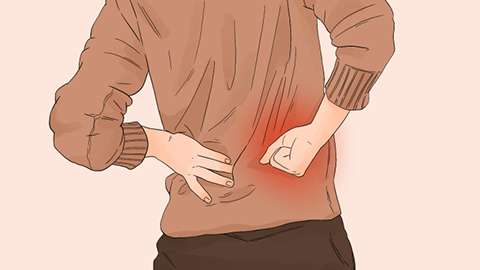
If left untreated, rheumatic diseases may lead to disability—or even life-threatening complications—imposing substantial burdens on both society and families. Treatment strategies must be individualized; once diagnosed, patients should promptly initiate standard therapy. For pain relief, physical therapies—including acupuncture, tuina (Chinese therapeutic massage), general massage, and thermotherapy—may be employed. Topical medications, such as medicated plasters, are also commonly used.
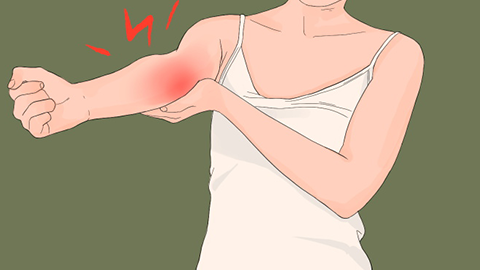
After work or exercise, patients should avoid cold-water bathing. Mattresses and bed linens should be washed and dried regularly to maintain cleanliness and dryness. We hope this information proves helpful to you.




