


Can you stay up late during your menstrual period?
Jun 09, 2022
Source: Cainiu Health

Dr. Pan Yongyuan
Introduction
During menstruation, women should avoid staying up late, as both immunity and resistance decline during this period, and the pelvic region becomes congested. Staying up late may further weaken the body’s defenses—especially in women with already compromised immunity—making them more susceptible to wind-cold invasion and gastrointestinal dysfunction. In severe cases, this may lead to fever, pelvic inflammatory disease, salpingo-oophoritis, or endometritis.
In daily life, whether reading newspapers or browsing news online, we frequently encounter reports about various acute health conditions caused by staying up late. So, is it safe to stay up late during menstruation?
Can you stay up late during your period?
It is best to avoid staying up late during menstruation. A woman’s immune function and resistance decline during this time, and the pelvic region is in a state of congestion. Staying up late further weakens immunity, lowering overall physical resilience and increasing susceptibility to external pathogens—such as wind-cold invasion—and gastrointestinal dysfunction. In severe cases, it may even trigger fever, pelvic inflammatory disease (PID), salpingo-oophoritis (inflammation of the fallopian tubes and ovaries), or endometritis. Chronic sleep deprivation during menstruation can also disrupt endocrine balance, leading to reduced menstrual flow, dysmenorrhea, dull or sallow complexion, melasma, and acne. Therefore, adequate sleep is essential during menstruation, and precautions against colds should be taken.
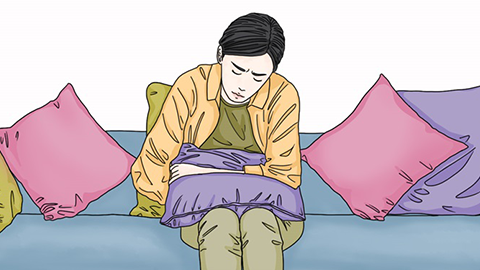
Women should ensure sufficient sleep during their period. Staying up late while menstruating can progressively worsen skin condition. In daily life, taking a warm bath before bed is recommended. Bathing helps improve blood circulation, relieve physical fatigue, and promote easier, more comfortable sleep onset. After staying up late during menstruation, maintaining balanced nutrition is crucial: drink water upon waking, then eat a nutritious breakfast. A well-balanced morning meal not only supplies optimal energy but also helps mitigate the adverse effects of sleep deprivation on a woman’s body.
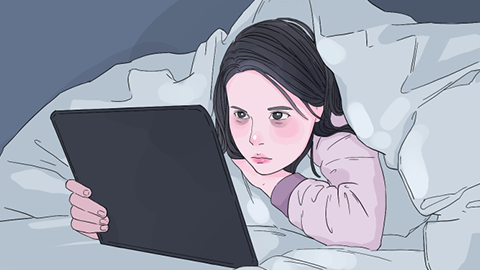
Chronic sleep deprivation poses serious risks to women’s health; therefore, establishing and maintaining a regular, healthy sleep schedule is strongly advised. We hope this information has been helpful to you.



