


Is it okay to stay up late during menstruation?
Jun 11, 2022
Source: Cainiu Health

Dr. Chen Zhe
Introduction
Menstruation is not a time to stay up late, as sleep deprivation can disrupt endocrine function, leading to abnormal menstrual flow or irregular menstrual cycles. Prolonged late-night activity during menstruation may also cause dull skin and even menstrual disorders. During menstruation, hormonal fluctuations lower the body’s resistance. Staying up late may therefore increase susceptibility to colds, lumbago, knee pain, headache, and dizziness.
Young people often lead irregular lifestyles: they are busy with work during the day and end up doing household chores—tasks that should ideally be completed during daytime hours—in the evening. Over time, this habit delays their normal bedtime. When they finally go to bed, they often spend some time scrolling through their phones. Frequent late-night activity can gradually weaken physical constitution. So, is it safe to stay up late during menstruation?
Is it safe to stay up late during menstruation?
No, staying up late during menstruation is not advisable. Sleep deprivation disrupts endocrine function, potentially causing abnormal menstrual flow or irregular cycles. Prolonged late-night activity during menstruation may also lead to dull, lackluster skin—and even menstrual disorders. During menstruation, hormonal fluctuations lower the body’s natural resistance. Staying up late increases susceptibility to colds, lumbago, knee pain, headaches, and dizziness, and accelerates skin aging. Given these adverse health effects, women should prioritize sufficient, high-quality sleep and avoid staying up late altogether.
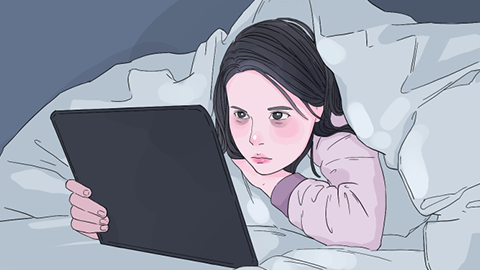
During menstruation, women should maintain regular daily routines, keep warm, and consume foods rich in high-quality protein and vitamins. Adequate rest is essential; sexual intercourse and strenuous exercise should be avoided, as both may increase menstrual flow and raise the risk of endometriosis. Excessive intake of sweets is discouraged during this period, as it may alter vaginal pH and the local microenvironment, increasing the likelihood of vaginitis—particularly candidal (yeast) vaginitis. Sanitary pads and undergarments must be changed regularly to ensure perineal cleanliness and hygiene. Bathing—especially soaking in bathtubs—is best avoided, as it may predispose to genital tract infections.
Sleep deprivation poses serious health risks for everyone—and during menstruation, women need to pay special attention to self-care across all aspects of daily life, including sleep habits, diet, and personal hygiene. We hope this information proves helpful to you.



