


How to Stop Snoring at Night
Jun 09, 2022
Source: Cainiu Health

Dr. Guo Xiheng
Introduction
It is widely known that snoring is actually caused by changes in airflow due to narrowing of the upper airway, which generates sound. In children, snoring is commonly associated with conditions such as adenoid hypertrophy and tonsillar hypertrophy, both of which lead to narrowing of the pharynx. In adults, snoring is typically linked to overweight or obesity, which also causes pharyngeal narrowing and results in snoring. Additionally, patients with obstructive sleep apnea syndrome frequently present with snoring.
Many people snore while sleeping, which can be extremely disruptive to their bed partners, as snoring genuinely interferes with others’ sleep. So, how can one avoid snoring at night?
How to Avoid Snoring at Night
Snoring occurs primarily due to changes in airflow caused by narrowing of the upper airway. In children, conditions such as adenoid hypertrophy and tonsillar hypertrophy can narrow the pharyngeal airway, leading to snoring. In adults, obesity is a common cause—excess fat deposits around the neck and pharynx contribute to airway narrowing and subsequent snoring. Additionally, individuals with obstructive sleep apnea syndrome frequently snore.
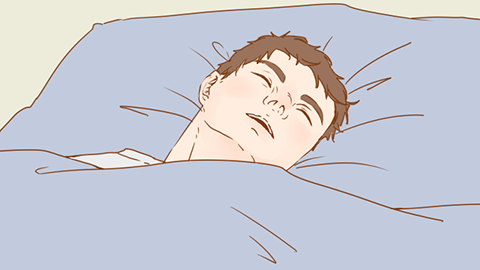
To help prevent snoring, sleeping on one’s side is generally recommended. This position helps prevent the tongue from falling backward, thereby maintaining a relatively larger pharyngeal cavity and reducing snoring. For instance, many children with adenoid hypertrophy experience significantly reduced or even absent snoring once they begin sleeping on their side. Similarly, adults who switch to side-sleeping often notice decreased snoring intensity. However, if snoring persists despite positional changes, it is advisable to consult a physician to evaluate whether significant airway narrowing exists.

Other strategies to alleviate snoring include avoiding excessively high pillows and applying a warm towel over the nose if nasal congestion is present. Daily nasal irrigation with saline solution may also help. Potential underlying causes of snoring include allergic rhinitis, adenoid hypertrophy, and other anatomical or inflammatory conditions. In more severe cases, surgical intervention may be considered.
It is recommended to consume nutrient-rich foods—especially those high in vitamin C—and maintain a light, balanced, and flavorful diet. Adequate rest is also essential. We hope this information proves helpful.






