What should I do if allergic asthma worsens when lying down?
Dec 09, 2025
Source: Cainiu Health

Dr. Ren Yi
Introduction
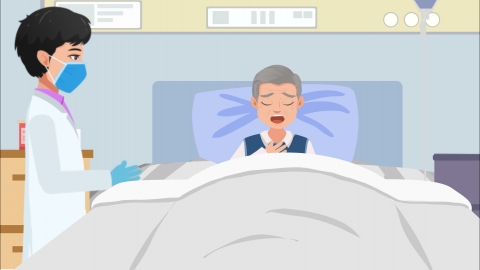
Allergic asthma tends to worsen when lying down. Measures such as adjusting sleeping posture, keeping the airway moist, avoiding allergens in bed, controlling nighttime inflammation, and optimizing the sleep environment are recommended. If symptoms continue to worsen or if difficulty breathing occurs, seek medical attention immediately. Adopting a semi-recumbent position or elevating the upper body can use gravity to reduce airway compression and prevent mucus accumulation caused by lying flat.
Allergic asthma tends to worsen when lying down. Measures such as adjusting sleeping posture, keeping the airways moist, avoiding allergens in bed, controlling nighttime inflammation, and optimizing the sleep environment are recommended. If symptoms continue to worsen or difficulty breathing occurs, seek medical attention immediately.
1. Adjust sleeping posture: Adopt a semi-reclining position or elevate the upper body to use gravity to reduce airway compression. Avoid lying flat, which can lead to mucus accumulation, increase breathing resistance, and exacerbate wheezing. This can be further optimized by adjusting the height of the bed head.
2. Keep airways moist: Drink an appropriate amount of water before bedtime or use a humidifier to maintain indoor humidity. This helps prevent dry air from irritating the respiratory mucosa, reduces the risk of airway spasms, and improves breathing comfort.
3. Avoid allergens in bed: Regularly wash bed sheets and bedding, and sun-dry them to kill bacteria and eliminate dust mites. Avoid using items that easily harbor allergens, such as feather pillows and plush toys. Minimize exposure to triggers like pollen and dust mites.
4. Control nighttime inflammation: Follow medical advice to regularly use asthma control medications. Take prescribed medication on time before bedtime to suppress airway inflammatory responses, stabilize airway function, and prevent nocturnal symptom onset or worsening.
5. Optimize sleep environment: Ensure good bedroom ventilation and maintain a comfortable temperature. Avoid irritants such as smoke and perfume, reducing adverse environmental effects on the airways and creating a sleep-friendly space conducive to breathing.
Daily care should include maintaining regular作息 (daily routines), avoiding late nights and fatigue, refraining from intense exercise and emotional excitement before bedtime, eating light and easily digestible meals, and avoiding spicy or greasy foods. Additionally, monitor your condition closely and adjust care strategies promptly according to symptom changes.