


What Causes Drooling During Sleep?
Jun 09, 2022
Source: Cainiu Health

Dr. Zhang Liwen
Introduction
Drooling during sleep may be related to sleeping posture. For instance, when lying on your side or stomach, pressure around the mouth may cause you to sleep with your mouth open, potentially leading to snoring and drooling. Secondly, it may be associated with oral diseases—such as periodontitis, gingivitis, or infectious foci in the oral cavity—which can increase salivary secretion, particularly at night; if swallowing is delayed or insufficient, saliva may overflow.
Many people drool while sleeping in daily life. This phenomenon may be closely related to underlying pathological changes in the body; therefore, we should pay attention to drooling during sleep. However, many individuals are unaware of its causes. So, what are the reasons for drooling during sleep?
What Causes Drooling During Nighttime Sleep?
Drooling during nighttime sleep may be related to sleeping posture. For example, when lying on your side or stomach, pressure around the mouth may cause the mouth to open slightly, potentially leading to snoring and drooling. Secondly, it may be associated with oral diseases—such as periodontitis, gingivitis, or other infectious oral foci—which can increase salivary secretion, particularly at night, and impair timely swallowing, resulting in saliva leakage. It may also be linked to certain medical conditions—for instance, central facial palsy (including involvement of the tongue) in stroke patients.
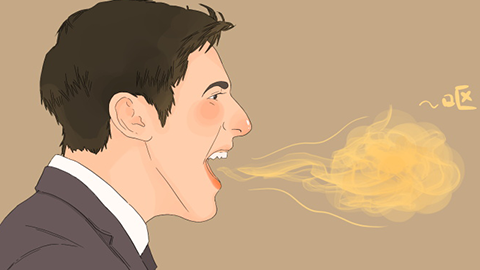
In Traditional Chinese Medicine (TCM), nighttime drooling may stem from spleen deficiency and dampness accumulation. The spleen governs the transportation and transformation of body fluids. When spleen qi is weakened, fluid metabolism becomes impaired, allowing damp-heat to accumulate in the spleen. During sleep, this excess dampness may overflow, manifesting as drooling. The optimal TCM treatment strategy focuses on strengthening the spleen and stomach, promoting diuresis, and resolving dampness. A recommended remedy is Shen Ling Jian Pi Li Shi Granules: one packet per dose, three times daily, for a course of two weeks.

Additionally, excessive physical or mental fatigue—such as overuse of the brain—may contribute to drooling during sleep. Poor oral hygiene leading to bacterial infection, or dental malformations—for example, protruding teeth—can also cause drooling. Drooling during sleep should not be overlooked and warrants proactive evaluation and management. We hope this information proves helpful to you.



