Why Do People Drool While Sleeping at Night?
Jun 08, 2022
Source: Cainiu Health

Dr. Pan Yongyuan
Introduction
Drooling during sleep may be caused by psychological factors in the patient—particularly when the patient experiences high levels of stress or tension related to work or study during the day, or suffers from negative emotions such as depression, anxiety, or anger. Alternatively, this phenomenon may result from periodontal inflammation, gingivitis, severe dental caries, or malocclusion.
Many people experience drooling, teeth grinding (bruxism), or other phenomena during sleep. These not only disturb the sleep of those nearby but may also harm one’s own health. A common myth about teeth grinding is that it signifies family prosperity during leisure time—a notion that is absolutely false. So, why does drooling occur during sleep?
Why Does Drooling Occur During Sleep?
Drooling while sleeping may stem from psychological factors. Specifically, individuals who experience high levels of stress or mental strain during daytime work or study—or who suffer from depression, anxiety, anger, or other negative emotions—may be more prone to this phenomenon. It can also result from oral conditions such as periodontitis, gingivitis, severe dental caries, or malocclusion. Additionally, poor sleeping posture—particularly positions that compress the parotid gland—can contribute to nocturnal drooling. In summary, multiple factors may be involved; therefore, appropriate interventions should target the underlying causes.
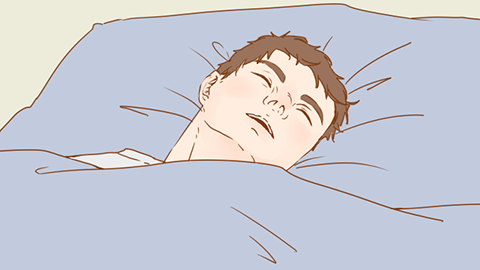
Irregular sleep schedules, prolonged periods of intense mental labor—especially among individuals engaged in fine-detail work—as well as physical fatigue are all potential contributors to nighttime bruxism. Trace elements (micronutrients) are essential for maintaining normal physiological function in the human body. Although required only in minute quantities, they are indispensable. Deficiencies in these trace elements have also been associated with sleep disturbances and bruxism. Delayed or disrupted sleep not only impairs sleep quality but may also exacerbate symptoms of various physical conditions. To effectively alleviate or resolve these issues, interventions must address the root causes.

We recommend consuming nutrient-rich foods such as milk, eggs, lean meat, and soy products, along with light, flavorful meals, and prioritizing adequate rest. We hope this information proves helpful to you.