


How to Remove Dark Spots Caused by Staying Up Late
Jun 10, 2022
Source: Cainiu Health

Dr. Gan Liqiang
Introduction
Developing age spots due to staying up late can be managed under the guidance of a qualified dermatologist using photonic skincare products, pharmacological treatments, or laser therapy to lighten and remove hyperpigmentation.
1. Pigment-lightening skincare products: For example, spot-fading creams containing depigmenting agents can inhibit the activity of relevant enzymes, thereby providing auxiliary support in lightening hyperpigmentation. These are typically applied directly to the affected areas.
Personal appearance is highly valued in today’s society. Consequently, everyone strives to enhance their physical appearance as much as possible. However, contrary to this desire, many individuals develop facial pigmentation spots—often due to various lifestyle factors, especially staying up late—which causes considerable anxiety. So, how can one effectively remove these spots caused by sleep deprivation?
How to Remove Facial Pigmentation Spots Caused by Staying Up Late
Facial pigmentation resulting from chronic sleep deprivation can be addressed under the guidance of a qualified dermatologist using photonic or topical skincare treatments, pharmacotherapy, or laser therapy to lighten and eliminate hyperpigmentation.
- Depigmenting Skincare Products: These include whitening creams containing depigmenting agents (e.g., hydroquinone, kojic acid, or niacinamide), which help suppress the activity of enzymes involved in melanin synthesis, thereby aiding in gradual lightening of pigmented areas. They are typically applied directly to affected areas.
- Pharmacological Treatment: Commonly prescribed topical agents include hydroquinone cream and tretinoin cream. Hydroquinone works by partially inhibiting tyrosinase activity, thus suppressing melanocyte metabolism and reducing melanin production.
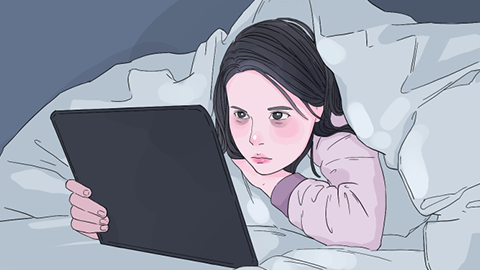
Adopt healthy work–rest habits: go to bed early and rise early to ensure adequate, restorative sleep. When both body and brain receive sufficient rest, natural physiological recovery gradually occurs. Chronic sleep deprivation impairs gastrointestinal function; therefore, maintaining a nutritionally balanced diet is essential. Consume ample fresh vegetables and fruits to replenish vitamins and trace elements. Individuals who frequently stay up late may benefit from increased intake of beta-carotene–rich foods (e.g., carrots, sweet potatoes, spinach), which help alleviate symptoms such as dry eyes and excessive liver fire. Additionally, moderate consumption of American ginseng tea may effectively alleviate bodily discomfort induced by sleep deprivation.

We recommend that patients cultivate sound lifestyle habits—avoid staying up late and prioritize sufficient, high-quality sleep. We hope this information proves helpful to you.








