


Does an adult with pneumonia require hospitalization?
Jun 10, 2022
Source: Cainiu Health

Dr. Guo Xiheng
Introduction
Whether an adult with pneumonia requires hospitalization depends on the severity of the patient’s condition and is determined by a pulmonologist after clinical evaluation. Pneumonia is classified into lobular (bronchopneumonia) and lobar pneumonia. If lobular pneumonia is not treated promptly, it may progress to lobar pneumonia. Lobar pneumonia carries a high risk of complications, including atelectasis, lung abscess, pleural effusion, and even respiratory failure.
Pneumonia is an infection of the lungs caused by bacteria or viruses. While children are more commonly affected, adults are also susceptible—especially when their immune system is weakened. So, do adults with pneumonia require hospitalization?
Do Adults with Pneumonia Need Hospitalization?
Whether hospitalization is necessary for an adult with pneumonia depends on the severity of the illness and is ultimately determined by a pulmonologist after clinical evaluation. Pneumonia is classified into two main types: lobular (bronchopneumonia) and lobar pneumonia. If lobar pneumonia is not treated promptly, it may progress to severe lobar pneumonia. Complications of lobar pneumonia include atelectasis, lung abscess, pleural effusion, and even respiratory failure. When outpatient treatment fails to adequately control lobar pneumonia, hospital admission becomes essential. Patients should undergo prompt diagnostic testing to identify the causative pathogen and initiate appropriate antimicrobial therapy. In cases of severe pneumonia, systematic in-hospital treatment is mandatory for full recovery.
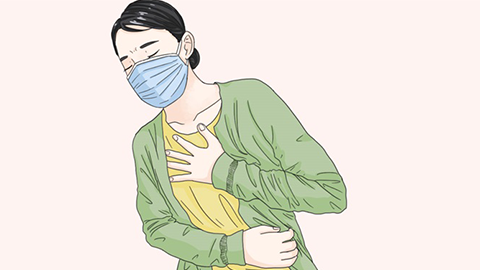
Patients with pneumonia must use antibiotics rationally. They should drink plenty of water and consume abundant fresh vegetables and fruits, while avoiding spicy, irritating, and greasy foods. Coughing and sputum production are typically prominent symptoms; therefore, antitussive and expectorant medications should be used under medical supervision. For high fever, mild antipyretics may be taken. In cases of viral pneumonia, home isolation and supportive care are recommended to prevent transmission to others.
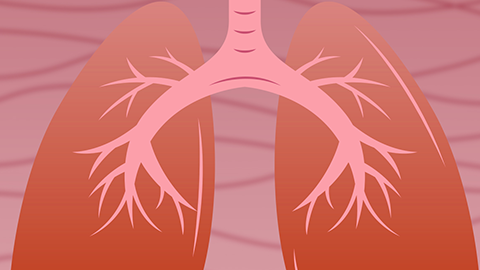
In daily life, individuals should stay warm to avoid colds and influenza, and cultivate healthy lifestyle and dietary habits. We hope this information is helpful to you.






