


How many days of intravenous therapy are required for mild pneumonia?
Jun 10, 2022
Source: Cainiu Health

Dr. Guo Xiheng
Introduction
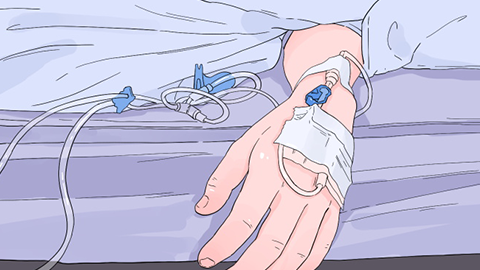
Mild pneumonia typically requires intravenous (IV) therapy for 7–10 days. However, the specific duration depends on individual circumstances and the patient’s overall health status. In fact, most cases of mild pneumonia do not require IV therapy—oral medications are generally sufficient for recovery. IV treatment should be considered only for high-risk patients or those whose clinical symptoms (e.g., persistent high fever) fail to improve with standard management.
Pneumonia is a relatively common illness in daily life. Even mild pneumonia can be a persistent and troublesome condition. So, how many days of intravenous (IV) therapy are required for mild pneumonia?
Duration of IV Therapy for Mild Pneumonia
IV therapy for mild pneumonia typically lasts 7–10 days. However, the exact duration depends on individual circumstances and the patient’s overall health status. In fact, most cases of mild pneumonia do not require IV therapy at all—oral medications are usually sufficient for recovery. IV therapy should only be considered for high-risk patients or those whose clinical symptoms fail to improve consistently—for example, patients with persistent high fever. Such high-risk groups include individuals aged 65 years or older and those with underlying medical conditions such as diabetes, hypertension, or coronary heart disease. For these patients, IV therapy generally continues for approximately 7–10 days and rarely exceeds 14 days. However, in patients with immunodeficiency—such as those with HIV infection or long-term corticosteroid use—even mild pneumonia may necessitate IV therapy lasting longer than 14 days, as mild cases can progress to severe pneumonia.
Pneumonia patients must pay attention to their diet, as proper nutrition supports recovery. Patients should limit intake of high-protein foods such as lean meat and eggs. Digesting protein requires substantial water consumption, whereas pneumonia itself causes fever and coughing—which further increases fluid loss. Thus, excessive protein intake may hinder recovery. Patients should also avoid greasy foods. From the perspective of Traditional Chinese Medicine (TCM), early-stage pneumonia—characterized by fever, cough, and phlegm production—is attributed to internal heat. Greasy foods may impair spleen and stomach function and promote phlegm accumulation. Additionally, patients should minimize consumption of sweets—including chocolate and sugar—as elevated blood glucose levels can accelerate bacterial proliferation (bacteria thrive in sugary environments). Elderly pneumonia patients should avoid cold- or cool-natured fruits. Instead, patients are encouraged to consume light, easily digestible foods—such as congee and vegetables—to support recovery.
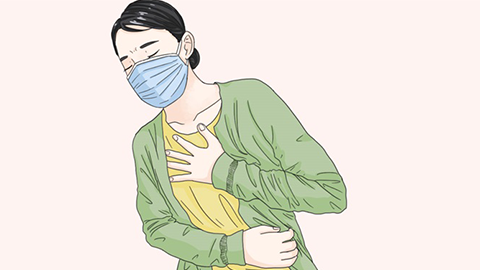
Once symptoms appear, patients should seek prompt medical evaluation and undergo appropriate diagnostic testing. We hope this information has been helpful.


