


How many days of intravenous therapy are required for mild pneumonia?
Aug 31, 2022
Source: Cainiu Health

Dr. Guo Xiheng
Introduction
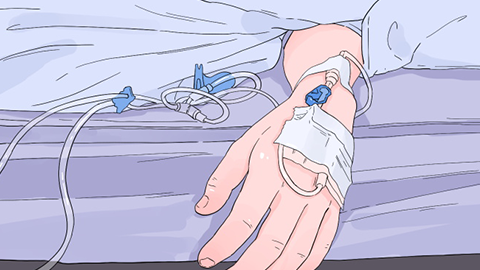
Mild pneumonia typically requires intravenous (IV) therapy for 7–10 days. However, the specific duration depends on individual circumstances and the patient’s overall health status. In fact, most cases of mild pneumonia do not require IV therapy—oral medications are generally sufficient for recovery. IV treatment should only be considered for high-risk patients or those whose clinical symptoms fail to improve persistently—for example, patients with persistent high fever.
Pneumonia is a relatively common illness in daily life. Even mild pneumonia can be a persistent and troubling condition. So, how many days of intravenous (IV) therapy are needed for mild pneumonia?
Mild Pneumonia: How Many Days of IV Therapy Are Required?
Typically, IV therapy for mild pneumonia lasts 7 to 10 days. However, the exact duration depends on individual circumstances and the patient's overall health. In fact, most cases of mild pneumonia do not require IV therapy—meaning no intravenous fluids are needed—and can usually be treated effectively with oral medications. IV treatment should only be considered for high-risk patients or those whose clinical symptoms fail to improve, such as individuals with persistent high fever. For example, people over the age of 65 or those with underlying chronic conditions like diabetes, hypertension, or coronary heart disease may require IV therapy. The usual duration of IV treatment is around 7–10 days and rarely exceeds 14 days. However, if the patient has immune deficiencies—such as HIV infection or long-term use of corticosteroids—even mild pneumonia may require IV therapy lasting more than 14 days, as mild cases can progress to severe pneumonia.
Patients with pneumonia should pay attention to their diet, which helps promote recovery. They should limit intake of high-protein foods such as lean meat and eggs, because the body requires significant water to metabolize protein. Since pneumonia often causes fever and increased fluid loss from coughing, consuming excess protein may hinder recovery. Patients should also avoid greasy foods. From a Traditional Chinese Medicine (TCM) perspective, early-stage pneumonia symptoms such as fever, cough, and phlegm production are associated with internal heat. Greasy foods may impair spleen and stomach function and contribute to excessive phlegm formation. Additionally, sugary foods like chocolate and candy should be limited, as they elevate blood glucose levels and accelerate bacterial growth—bacteria thrive in sweet environments. Elderly patients recovering from pneumonia should avoid cold-natured fruits. Instead, pneumonia patients are encouraged to eat light, easily digestible foods such as porridge and vegetables, which support recovery.
When symptoms appear, patients should seek medical care promptly and undergo appropriate examinations. We hope this information is helpful to you.


