


Symptoms of Acute Rheumatic Fever
Jun 10, 2022
Source: Cainiu Health

Dr. Liu Aihua
Introduction
Acute rheumatic disease presents with a wide variety of symptoms; common clinical manifestations include fever, rash, arthritis, serositis, and lymphadenopathy. “Rheumatic disease” does not refer to a single condition but rather serves as an umbrella term for a large group of disorders primarily characterized by pain affecting bones, joints, muscles, ligaments, and fascia. This category encompasses hundreds of distinct diseases, such as rheumatoid arthritis, osteoarthritis, and gout.
When joints are affected by rheumatic disease and the condition is not promptly and effectively controlled, patients may develop rheumatic disease. At this stage, a range of adverse symptoms may occur; however, many individuals are unaware of the specific clinical manifestations, which can hinder timely diagnosis and treatment. So, what are the symptoms of acute rheumatic disease?
Symptoms of Acute Rheumatic Disease
The symptoms of acute rheumatic disease are diverse. Common clinical manifestations include fever, skin rashes, arthritis, serositis, and lymphadenopathy. “Rheumatic disease” does not refer to a single illness but rather encompasses a broad category of disorders—hundreds in total—characterized primarily by pain affecting bones, joints, muscles, ligaments, and fascia. Examples include rheumatoid arthritis, osteoarthritis, gout, ankylosing spondylitis, reactive arthritis, systemic lupus erythematosus, psoriatic arthritis, and vasculitis. During the acute phase, some patients present with arthritis, featuring joint redness, swelling, warmth, and pain. Others develop skin rashes—such as the classic butterfly-shaped facial rash—or oral ulcers. Fever is also common and may manifest as either high-grade or persistent low-grade fever.
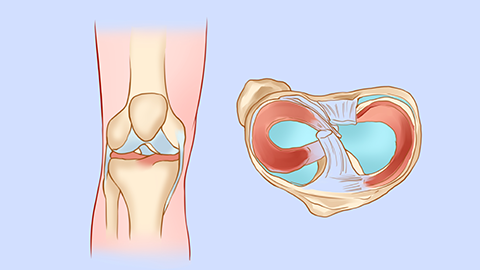
The primary preventive strategy for rheumatic disease involves improving lifestyle and dietary habits. Since most rheumatic diseases are autoimmune in nature—typically resulting from immune dysfunction and often triggered by infectious or non-infectious environmental factors—it is essential to minimize exposure to such triggers. Daily routines should be regular, incorporating appropriate physical activity and exercise tailored to one’s individual capacity. Suitable options include walking, tai chi, qigong, calisthenics, aerobics, and yoga—all of which help strengthen overall physical constitution.

In daily life, fatigue and sleep deprivation should be avoided; work and rest must be balanced, and exposure to cold weather minimized. Additionally, living spaces should receive ample sunlight and be adequately insulated for warmth. We hope this information proves helpful to you.




