


Symptoms of Pneumonia in Infants
Jun 10, 2022
Source: Cainiu Health

Dr. Ma Yan
Introduction
The primary symptoms of infant pneumonia include coughing, sputum production, shortness of breath, and tachycardia; fever may also occur. While fever is a common symptom, infant pneumonia does not always conform to textbook descriptions—many children develop atypical pneumonia. For instance, some children with pneumonia may not have a fever but do exhibit coughing; conversely, other cases of pneumonia may present without coughing—similar to the poor cough reflex observed in newborns.
Pneumonia refers to inflammation of the terminal airways, alveoli, and pulmonary interstitium. It can be caused by pathogenic microorganisms, physical or chemical factors, immune-mediated injury, allergic reactions, or medications. Bacterial pneumonia is the most common type of pneumonia and one of the most frequent infectious diseases. So, what are the symptoms of pneumonia in infants?
Symptoms of Pneumonia in Infants
The primary symptoms of pneumonia in infants include cough, sputum production, shortness of breath, and tachycardia; fever may also occur. While fever is a common symptom, infant pneumonia does not always conform to textbook descriptions—many children present with atypical pneumonia. For example, some infants with pneumonia may not develop a fever but instead exhibit only coughing; others may not cough at all, particularly newborns who have poor cough reflexes. Thus, pneumonia may be present even in the absence of cough.
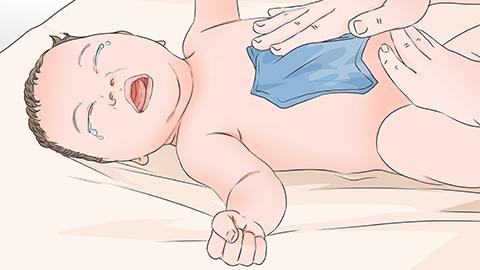
Infants with pneumonia generally require hospitalization. Following clinical diagnosis, antibacterial therapy is administered if the pneumonia is bacterial in origin, whereas antiviral treatment is indicated for viral pneumonia. In addition to addressing the underlying cause, symptomatic management is essential. For infants experiencing severe cough or excessive sputum, oral antitussive and expectorant medications may be prescribed; nebulization therapy may also be necessary. In cases of severe illness complicated by respiratory failure, admission to the intensive care unit (ICU) and mechanical ventilation support are required.

If an infant exhibits poor oral intake, appropriate intravenous or oral fluid supplementation should be provided, with volume calculations based on the infant’s body weight. We hope this information is helpful to you.


