


Symptoms of Pneumonia in Infants
Jun 10, 2022
Source: Cainiu Health

Dr. Ma Yan
Introduction
Symptoms of pneumonia in infants include coughing, sputum production, shortness of breath, tachycardia, and fever. Many children develop atypical pneumonia; for example, some children with pneumonia may not have a fever but present with coughing, while others may not cough at all—similar to newborns, who often exhibit poor cough reflexes. Thus, pneumonia may be present even in the absence of cough symptoms.
Pneumonia is an inflammatory condition of the lung tissue triggered by drugs, viruses, or physical and chemical irritants. Infants’ organs are still underdeveloped, and their immune systems are relatively immature. Inadequate care increases their susceptibility to external stimuli, thereby raising the risk of pneumonia. So, what are the symptoms of pneumonia in infants?
Symptoms of Pneumonia in Infants
Common symptoms of infant pneumonia include coughing, sputum production, shortness of breath, tachycardia (increased heart rate), and fever. However, many children present with atypical pneumonia. For instance, some infants with pneumonia may not develop a fever but instead exhibit only coughing; others may not cough at all—particularly newborns, whose cough reflexes are underdeveloped. Thus, pneumonia may be present even in the absence of coughing. Additional signs may include sputum production, choking on milk, and nasal flaring during respiration.
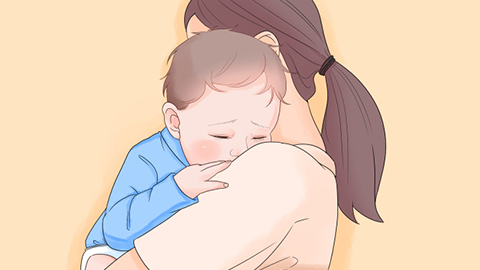
The primary treatment for infant pneumonia involves hospitalization—typically in a neonatal intensive care unit (NICU) or neonatal ward—for intravenous (IV) therapy. Antibiotics administered via IV infusion constitute the most common initial treatment. The specific antibiotic regimen should be tailored according to the infant’s clinical presentation and results of blood culture tests. Nevertheless, IV antibiotic therapy is generally initiated promptly. Concurrently, associated comorbidities must be addressed, such as respiratory compromise, cardiac issues, or jaundice.
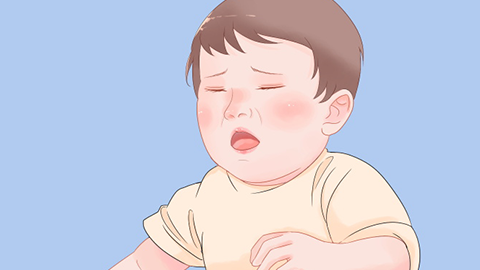
It is recommended that infants get adequate rest and receive timely nutritional support, both of which are crucial for recovery. We hope this information proves helpful.


