


How can I quickly reduce puffiness caused by staying up late?
Jun 10, 2022
Source: Cainiu Health

Dr. Pan Yongyuan
Introduction
Eye puffiness caused by staying up late can be relieved through warm compresses. For example, applying a warm towel to the affected area can accelerate local blood circulation and reduce swelling. Gentle massage or dietary adjustments may also help improve the condition. For instance, consuming an appropriate amount of winter melon can help boost energy and alleviate edema. If the swelling is severe, oral diuretics prescribed by a physician may be necessary. It is essential to avoid frequent late-night activities.
Today, most people maintain relatively late schedules, and some may continue staying up late. The most immediate skin issue women face after sleep deprivation is edema (swelling). So, how can one quickly alleviate sleep-deprivation-induced edema?
How to Quickly Alleviate Sleep-Deprivation-Induced Edema
Sleep-deprivation-induced edema can be relieved through warm compresses. For example, applying a warm towel helps accelerate local blood circulation and reduce swelling. Gentle massage or dietary adjustments may also help. For instance, consuming an appropriate amount of winter melon can enhance physical stamina and promote diuresis to reduce edema. If edema is severe, oral diuretics prescribed by a physician may be necessary; however, chronic sleep deprivation must be avoided. When edema results from endocrine system imbalances, it often resolves spontaneously after the relevant physiological period ends. Additionally, if edema stems from organic diseases—such as thrombosis or renal edema—individuals should promptly consult a qualified medical institution to identify the underlying cause and receive appropriate treatment.
To prevent edema, consider the following points: 1. Cultivate healthy lifestyle habits, ensure adequate sleep, and avoid staying up late to prevent endocrine disruption. 2. Engage in regular physical activity to promote blood circulation. Overweight individuals should manage their weight to minimize edema risk. 3. Reduce sodium intake and maintain balanced nutrition. 4. Actively treat underlying conditions that may cause edema, such as cirrhosis, diabetes, or nephritis. 5. Avoid prolonged sitting, standing, or maintaining the same posture for extended periods. 6. Refrain from spending long durations in hot, humid environments.
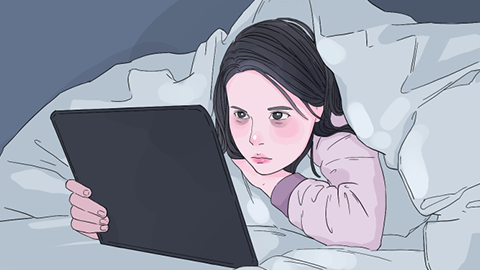
Sleep-deprivation-induced edema warrants serious attention. Habitual late-night sleeping and irregular sleep patterns disrupt the skin’s fundamental metabolic processes, potentially causing irreversible skin damage. We hope this information proves helpful to you.









