


Does working at night and sleeping during the day count as staying up late?
Jun 10, 2022
Source: Cainiu Health

Dr. Pan Yongyuan
Introduction
Staying up late refers to a state of being awake at night; thus, working at night and sleeping during the day also constitutes staying up late—and this has significant health implications. Every organ in the body is adapted to function during daylight hours (i.e., when the sun rises) and to rest after sunset. Likewise, the body’s endocrine hormones have established their own circadian rhythms. When these internal biological clocks and rhythms are disrupted, hormonal levels within the body also change accordingly.
With evolving societal demands, shift work—working at night and sleeping during the day—has become increasingly common across various industries. This schedule is especially prevalent among young people. But does working at night and sleeping during the day constitute “staying up late”?
Does working at night and sleeping during the day count as staying up late?
“Staying up late” refers to remaining awake during nighttime hours. Therefore, working at night and sleeping during the day still qualifies as staying up late—and carries significant health consequences. Every organ in the human body has adapted to function optimally during daylight hours and rest during nighttime. Likewise, the body’s endocrine hormones follow a well-established circadian rhythm. When this internal biological clock and its associated rhythms are disrupted, hormonal levels fluctuate accordingly—potentially causing harm to the body. Moreover, daytime sleep tends to be less restorative: it is more easily disturbed, often fragmented, and provides inadequate physical repair and functional recovery. Consequently, critical processes—including memory consolidation (categorization of neural information) and synthesis of immune proteins—are adversely affected. Thus, chronic reversal of the natural sleep–wake cycle poses substantial health risks, and timely adjustment of one’s daily routine is strongly advised.
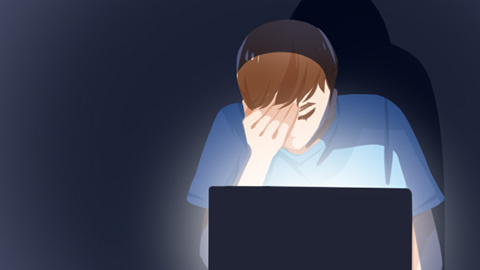
After completing a night shift, prioritize restorative sleep to mitigate its adverse effects. To optimize sleep quality, consider taking a warm shower before bed: this not only enhances systemic blood circulation but also accelerates the elimination of acidic metabolic byproducts, thereby supporting both sleep onset and physical recovery. If a full shower isn’t feasible, soaking your feet in warm water is an effective alternative. During night shifts, ensure adequate hydration with plain boiled water and consume generous amounts of fresh fruits and vegetables to replenish essential vitamins and dietary fiber—key for maintaining health and counteracting the physiological toll of shift work. Individuals regularly assigned to night shifts should thoughtfully distribute their caloric intake throughout the day to avoid extremes of hunger or overfullness; when working overtime, opt for easily digestible foods.

Long-term night-shift work frequently disrupts normal sleep–wake patterns, leads to endocrine imbalances, and increases the risk of insomnia and other sleep disorders. Therefore, it is crucial to proactively adjust work schedules and restore healthy, regular circadian rhythms. We hope this information proves helpful.








