


How Can I Sleep Without Snoring?
Jun 11, 2022
Source: Cainiu Health

Dr. Pan Yongyuan
Introduction
Not snoring during sleep can be achieved by avoiding excessive daytime work. Before bedtime, it is best to focus on gentle activities and avoid emotional excitement. Sleeping supine (on your back) can obstruct the airway. In contrast, sleeping on your side allows relaxed muscles to shift to one side, preventing airway obstruction. Snoring typically occurs when a person is fatigued, exhausted, or has consumed alcohol.
Sleep allows the body to rest, serving as a cornerstone of normal daily life. However, many people experience various symptoms during sleep—such as snoring and drooling. So, how can one avoid snoring while sleeping?
How to Prevent Snoring During Sleep
Avoiding snoring during sleep begins with maintaining a balanced daily routine: refrain from overworking during the day, and engage in gentle, relaxing activities before bedtime—avoiding emotional excitement. Sleeping on your back (supine position) may compromise airway patency, whereas side-sleeping allows relaxed muscles to shift naturally to one side, preventing airway obstruction. Snoring commonly occurs after fatigue, exhaustion, or alcohol consumption; this type of occasional snoring typically does not require medical treatment. However, if snoring occurs on more than five nights per week—or is associated with excessive alcohol intake, smoking, or obesity—it is advisable to reassess and adjust lifestyle habits. In severe cases, consult a physician for professional evaluation and management.
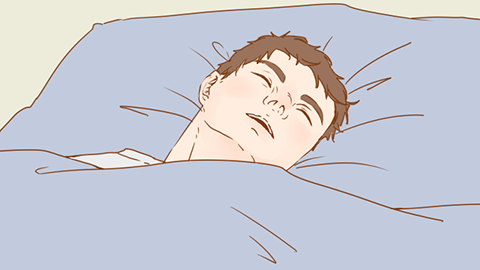
Snoring has numerous potential causes. If it significantly disrupts daily life or sleep quality, patients are advised to seek comprehensive evaluation at a hospital. Polysomnography (a multi-channel sleep study) can precisely identify the anatomical site(s) of upper airway obstruction responsible for snoring, enabling targeted therapeutic interventions based on objective findings. Chronic snoring leading to recurrent hypoxia poses serious health risks and must be proactively evaluated, diagnosed, and treated to prevent long-term complications—including impaired immune function due to chronic oxygen deprivation.
In daily life, cultivating healthy lifestyle and dietary habits is essential. We hope this information proves helpful to you.





