


Why Do We Drool While Sleeping?
Jun 11, 2022
Source: Cainiu Health

Dr. Zhang Lei
Introduction
Uneven dental arch: With aging, tooth wear leads to an uneven dental arch and incomplete occlusion, causing saliva to leak through the gaps between teeth during sleep.
Cerebral ischemia and hypoxia: During sleep, reduced blood flow exacerbates cerebral ischemia and hypoxia, resulting in localized impairment of brain function—manifested as relaxation of perioral muscles, incomplete oral closure, and drooling during sleep.
Some people wake up to find their pillow damp. Most assume this is normal; however, drooling during sleep may actually be a warning sign of underlying health issues. So why does drooling occur during sleep?
Why Does Drooling Occur During Sleep?
• Malocclusion or uneven dentition: As people age, teeth wear down, leading to misaligned teeth and incomplete jaw closure. During sleep, saliva can leak out through gaps between the teeth.
• Cerebral ischemia and hypoxia: Reduced blood flow during sleep may worsen cerebral ischemia and hypoxia, impairing localized brain function. This can cause relaxation of the perioral muscles, resulting in inadequate mouth closure and subsequent drooling.
• Improper sleeping posture: Drooling during sleep may result from suboptimal sleeping positions—such as sleeping face-down on a desk or lying on one’s side.
• Facial nerve inflammation or stroke: Sudden onset of drooling during sleep—especially following a cold or exposure to cold—accompanied by symptoms such as facial muscle weakness (e.g., eyelid drooping) and headache, may signal early-stage facial nerve inflammation or stroke. Immediate medical evaluation at a hospital is strongly advised.
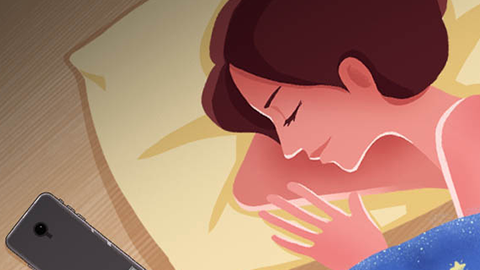
To prevent drooling during sleep, maintain good oral hygiene: brush your teeth twice daily (morning and night), and rinse your mouth after meals to remove food debris that could accumulate and stimulate excess salivation. Promptly treat oral conditions—including dental caries, gingivitis, and oral ulcers—at a reputable dental clinic to eliminate underlying causes. Additionally, avoid sleeping in the prone position; instead, opt for supine (back-lying) sleeping to maintain proper jaw alignment and minimize unnecessary stimulation of the oral region, thereby reducing drooling.
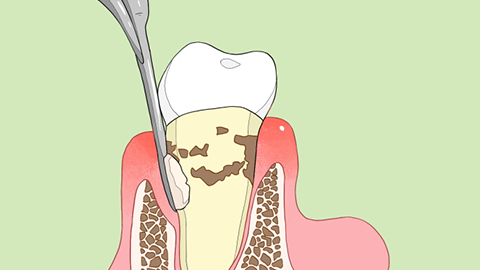
Drooling during sleep not only affects personal appearance but—when accompanied by other symptoms—may indicate an underlying medical condition requiring timely diagnosis and treatment. We hope this information is helpful to you.



