


How to Sleep Without Snoring
Jun 11, 2022
Source: Cainiu Health

Dr. Guo Xiheng
Introduction
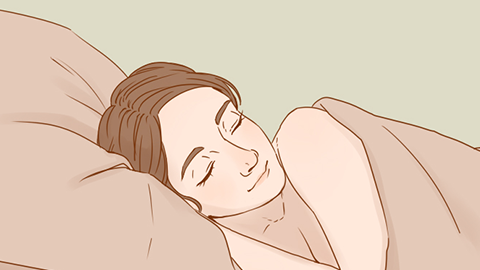
If you snore, try adjusting your sleeping position—sleeping on your side may help alleviate snoring. Use a pillow of appropriate height (neither too high nor too low). When sleeping on your side, the tongue is less likely to fall backward, thereby relatively enlarging the pharyngeal cavity and reducing snoring. Try to avoid sleeping supine (on your back), as this makes it easy for the base of the tongue to fall backward, leading to snoring.
We know that snoring is actually caused by changes in airflow through a narrowed airway, which produces sound. In children, conditions such as adenoid hypertrophy and tonsillar hypertrophy commonly lead to narrowing of the pharynx. In adults, snoring is typically associated with obesity, which causes pharyngeal narrowing and results in snoring. So, how can one sleep without snoring?
How to Sleep Without Snoring
If you snore, try adjusting your sleeping position—opt for side-lying (lateral) sleep. The pillow height should be moderate—not too high or too low—as this may help alleviate snoring. When sleeping on your side, the tongue is less likely to fall backward, thereby relatively enlarging the pharyngeal cavity and reducing snoring. Avoid supine (back-lying) sleep whenever possible, as it increases the likelihood of the tongue falling backward against the pharyngeal wall, triggering snoring. However, snoring may also stem from underlying issues such as tonsillar hypertrophy, macroglossia (enlarged tongue), airway narrowing, excessive alcohol consumption, or genetic predisposition. In such cases, merely changing sleep posture cannot eliminate snoring entirely; timely medical evaluation and treatment of the underlying condition are essential for effective relief.

Snoring during sleep occurs due to altered airflow resulting from airway narrowing, leading to audible vibrations. Chronic snoring can cause daytime symptoms including excessive sleepiness, fatigue, poor concentration, headache, reduced work performance, and increased nocturia. Therefore, if snoring develops, prompt medical evaluation is necessary to identify the underlying cause and initiate appropriate treatment. Additionally, maintaining healthy lifestyle habits is crucial: ensure adequate and regular sleep, and frequently ventilate indoor spaces by opening windows—both measures can effectively help reduce snoring.
Snoring poses significant health risks; severe cases may even lead to apnea—temporary cessation of breathing during sleep. Thus, timely medical assessment and management are imperative. We hope this information proves helpful to you.






