


How is allergic keratitis treated?
Jun 29, 2022
Source: Cainiu Health

Dr. Chen You
Introduction
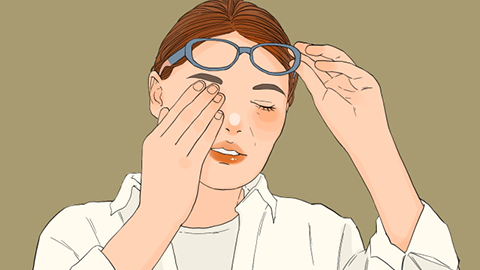
Patients with allergic conjunctivitis should first avoid rubbing their eyes, as mechanical irritation from rubbing can further exacerbate allergic symptoms. Second, patients may wash their face with clean water or irrigate the conjunctival sac with an eye rinse solution to remove ocular allergens—this can rapidly alleviate allergic eye symptoms. Third, patients may apply cold compresses to the eyes.
Keratitis occurs more frequently in daily life, yet it encompasses many different types—for example, it may be caused by bacterial or viral infections. Patients should actively seek treatment during this condition. In treatment, targeted therapy should be selected to achieve optimal outcomes. So, how is allergic keratitis treated?
How Is Allergic Keratitis Treated?
First, patients with allergic conjunctivokeratitis must avoid rubbing their eyes, as mechanical irritation from friction can further exacerbate allergic symptoms. Second, patients may wash their face with clean water or rinse the conjunctival sac with an eye-wash solution to remove ocular allergens—this can rapidly alleviate allergic eye symptoms. Third, cold compresses applied to the eyes may be beneficial. Cold application lowers local tissue temperature, thereby reducing the sensitivity of ocular sensory nerve fibers and quickly relieving symptoms such as itching.
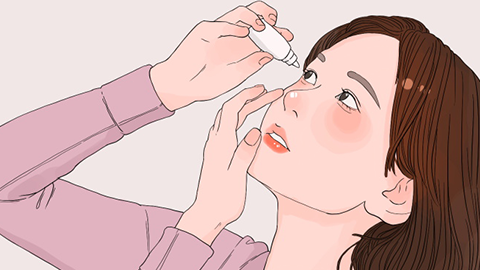
Fourth, patients should instill anti-allergic eye drops under medical supervision. Commonly used eye drops currently include ketotifen eye drops, olopatadine hydrochloride eye drops, azelastine hydrochloride eye drops, and emedastine fumarate eye drops. Typically, ocular allergic symptoms subside within approximately two to three days following the above treatments. Allergic keratitis arises from allergic conditions—such as vernal keratoconjunctivitis—which are often seasonally related (e.g., springtime). Treatment involves identifying and eliminating the causative allergen, followed by selecting appropriate anti-allergic therapy based on symptom severity—either anti-allergic medications or corticosteroids—as prescribed by a physician. Due to the recurrent nature of allergic keratitis, medication regimens must be individualized according to clinical circumstances.
Patients with allergic keratitis are advised to maintain good ocular hygiene and avoid exposure to known allergens. We hope this information proves helpful to you.


