


How is allergic keratitis treated?
Jun 29, 2022
Source: Cainiu Health

Dr. Chen You
Introduction
In the general treatment of allergic keratitis, the most ideal approach is to avoid exposure to the allergen. First, identify the allergen. Common allergens—such as smoke, dust, cotton fibers, dandruff, and mites—can be managed with anti-allergic eye drops. Additionally, ocular hygiene should be emphasized in daily care: use clean water to rinse away residual allergens, and avoid rubbing the eyes with hands.
In daily life, many people develop keratitis due to improper eye use or “excess internal heat” (a traditional Chinese medicine concept). Keratitis is classified into acute and chronic forms, each presenting with distinct symptoms. So, how is allergic keratitis treated?
How Is Allergic Keratitis Treated?
In general management, the ideal approach for allergic keratitis is to identify and avoid the causative allergen. The first step is allergen identification. Common allergens include smoke, dust, cotton fibers, dandruff, and dust mites. Topical antiallergic eye drops are typically used for treatment. Additionally, maintaining ocular hygiene is essential in daily care: rinse the eyes gently with clean water to remove residual allergens, and avoid rubbing the eyes with hands, as this may exacerbate allergic symptoms. The fundamental principles of treating allergic keratitis include patient education, allergen avoidance, and alleviation of signs and symptoms.
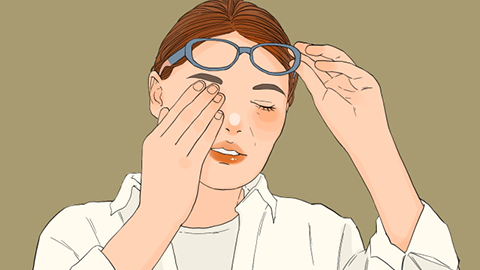
The conjunctiva is frequently exposed to ambient air and thus highly susceptible to airborne allergens such as pollen and dust, which can trigger allergic reactions. The most common symptoms of allergic conjunctivitis include ocular redness, stinging, and conjunctival hyperemia—often managed with anti-inflammatory eye drops (e.g., ketorolac). Patients with allergic conjunctivitis must strictly avoid known allergens (e.g., pollen), practice good eye hygiene, engage in regular physical exercise to strengthen overall health, and thereby reduce recurrence risk. Diet should be light and non-irritating—spicy foods should be avoided—and rich in vitamins, such as those found in carrots and kiwifruit.

Patients with allergic keratitis are advised to minimize outdoor activities during peak allergy seasons to reduce exposure to environmental allergens. We hope this information proves helpful.


