


What are the early symptoms of conjunctivitis?
Jun 29, 2022
Source: Cainiu Health

Dr. Chen You
Introduction
Initial symptoms of conjunctivitis include tearing, a foreign-body sensation, burning, or stinging. Clinical signs include conjunctival hyperemia and increased mucoid or mucopurulent discharge. Due to the copious discharge, the upper and lower eyelashes often become matted together. Patients frequently experience difficulty opening their eyes upon waking in the morning; in such cases, antibiotic eye drops—such as levofloxacin eye drops—may be administered before bedtime.
Conjunctivitis (commonly known as “pink eye”) is a prevalent condition during spring and summer. During these seasons, people often visit swimming pools, bathtubs, and other aquatic facilities to cool down. However, such venues are public spaces; poor hygiene practices can easily lead to conjunctivitis. What, then, are the early symptoms of conjunctivitis?
Early Symptoms of Conjunctivitis
Initial symptoms of conjunctivitis include excessive tearing, a foreign-body sensation, burning, or stinging. Clinically, it manifests as conjunctival hyperemia (redness) and increased mucoid or mucopurulent discharge. Due to copious secretions, the upper and lower eyelashes frequently adhere together. Upon waking in the morning, patients may find it difficult to open their eyes. In such cases, antibiotic eye drops—such as levofloxacin eye drops—may be applied before bedtime. Under medical supervision, topical antibiotic ointment should also be administered; additionally, patients require professional ocular irrigation with an antiseptic solution at a hospital.
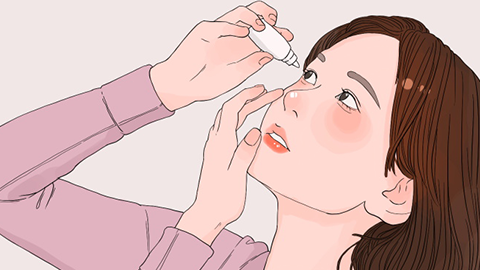
The hallmark symptom of conjunctivitis is eyelid adhesion upon waking, accompanied by abundant purulent discharge (“eye gunk”) and conjunctival redness. Conjunctival hyperemia is the characteristic clinical sign, hence the colloquial term “pink eye.” Early manifestations include ocular redness, photophobia, tearing, and a foreign-body sensation. Corneal involvement is rare; the most prominent feature is profuse purulent discharge. In the morning, patients commonly notice their eyelids stuck together by discharge. Typically, infection begins in one eye and subsequently spreads to the other. This condition is an infectious, acute or subacute bacterial conjunctivitis transmitted via direct or indirect contact; therefore, strict isolation and infection control measures are essential.

Patients are advised to use prescribed eye drops appropriately to help slow disease progression. They should avoid fatigue, sleep deprivation, and prolonged screen time (e.g., extended smartphone use). Furthermore, strict isolation is necessary to prevent cross-infection. We hope this information proves helpful.


