


What Are the Early Symptoms of Conjunctivitis?
Jun 29, 2022
Source: Cainiu Health

Dr. Chen You
Introduction
Early symptoms of conjunctivitis include ocular discomfort, itching, dryness or pain, and redness and swelling of the eyes. Conjunctivitis is an acute ocular inflammatory condition caused by viral or bacterial infection. In such cases, the onset of the disease leads to ocular discomfort, itching, dryness or pain, and redness and swelling of the eyes. These abnormal ocular symptoms often lead to unconscious, frequent eye rubbing.
“Red eye disease” is also known as conjunctivitis. The symptoms of conjunctivitis primarily depend on its underlying cause. All forms of conjunctivitis cause redness of the conjunctiva—most notably in the sclera (the white part of the eye) and the inner surface of the eyelids. Conjunctivitis caused by infection may also be accompanied by ocular discharge, especially upon waking in the morning, often leaving the eyes feeling sticky or gritty. So, what are the early symptoms of red eye disease?
What Are the Early Symptoms of Red Eye Disease?
Early signs of red eye disease include ocular discomfort, itching, dryness or pain, and redness and swelling of the eyes. Red eye disease is an acute ocular inflammatory condition caused by viral or bacterial infection. In such cases, initial manifestations typically involve ocular discomfort, itching, dryness or pain, and redness and swelling—symptoms that may prompt patients to unconsciously rub their eyes frequently. This habit can exacerbate the condition and lead to recurrent episodes. Therefore, accurate recognition of red eye disease based on its characteristic symptoms is essential, followed by timely implementation of effective treatment measures.
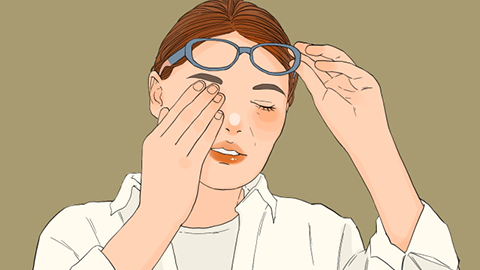
Red eye disease is clinically termed acute conjunctivitis. Many parents are very familiar with this condition, which is highly prevalent in daily life and affects numerous individuals. It is especially common among children—particularly infants with underdeveloped immune systems. Consequently, infants and young children constitute a high-risk population for red eye disease, warranting heightened vigilance, early recognition, and preventive measures. A hallmark symptom of red eye disease is ocular redness, which is the most commonly observed sign in affected patients. Thus, in everyday life, one should closely monitor changes in the appearance of the eyes. If abnormal redness or swelling occurs, red eye disease should be suspected.
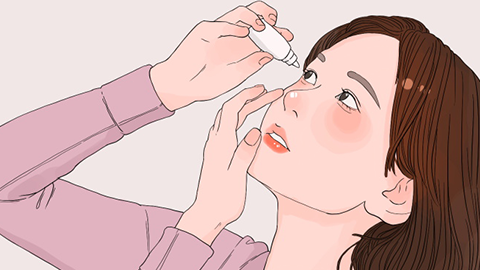
Patients with red eye disease should avoid common irritant foods, including sage, onions, mustard, Chinese chives, and garlic chives. These foods may increase heat accumulation in the lungs and stomach, thereby worsening the condition and impeding treatment and recovery. We hope this information proves helpful to you.


