


What are the symptoms of keratitis?
Jun 29, 2022
Source: Cainiu Health

Dr. Chen You
Introduction
Common symptoms of keratitis include photophobia, epiphora (excessive tearing), pain, and conjunctival edema. In the middle to late stages of the disease, corneal transparency decreases—appearing hazy or frosted-glass-like—and may even progress to corneal ulceration. Bacterial infection typically presents with prominent ocular irritation, whereas fungal keratitis often exhibits less conspicuous symptoms; however, due to prolonged irritation, it carries a higher risk of blindness.
Keratitis refers to inflammation of the cornea—the outermost layer of the eye—which is particularly susceptible to injury and infection due to its direct exposure to the external environment. Accidental trauma may occur. In mild cases, keratitis typically manifests as photophobia (sensitivity to light) and excessive tearing. Severe cases may lead to blindness. What are the symptoms of keratitis?
Symptoms of Keratitis
Common symptoms of keratitis include photophobia, epiphora (excessive tearing), ocular pain, and conjunctival edema. In the middle-to-late stages of the disease, corneal transparency decreases—appearing hazy or frosted-glass-like—and may even progress to corneal ulceration. Bacterial keratitis primarily presents with ocular irritation; fungal keratitis often exhibits subtle initial symptoms but carries a higher risk of blindness due to prolonged irritation. Viral keratitis tends to recur, whereas Acanthamoeba keratitis usually affects only one eye and is characterized by photophobia and epiphora.
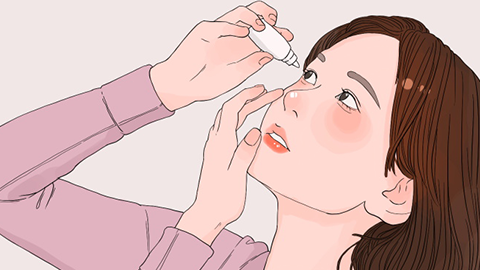
Additional symptoms of keratitis may include a foreign-body sensation, photophobia, epiphora, blurred vision, visual impairment, scotoma (a dark spot or shadow obscuring part of the visual field), conjunctival injection (redness), ocular pain, dry eyes, purulent or mucoid discharge, periorbital swelling, and difficulty opening the eyes. Keratitis can be classified etiologically into bacterial, viral, fungal, Acanthamoeba, neurotrophic, allergic, and nutritional forms. Anatomically, it may involve the corneal epithelium (epithelial keratitis), stroma (stromal keratitis), or endothelium (endothelial keratitis).

Patients are advised to maintain good general health and enhance immune resistance in daily life—avoiding colds or fevers—and to practice isolation when necessary to prevent cross-infection. We hope this information proves helpful.


