


What are the symptoms of keratitis?
Jun 29, 2022
Source: Cainiu Health

Dr. Chen You
Introduction
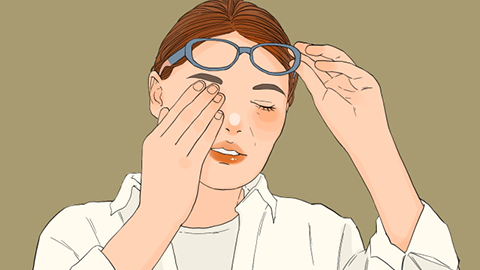
Clinical manifestations of keratitis include pain, tearing, blepharospasm, and other irritative symptoms. Because the cornea is densely innervated by trigeminal nerve endings, ocular pain is the most prominent symptom of keratitis and typically persists until inflammation resolves. Pain intensifies during blinking, as the upper eyelid rubs against the inflamed cornea. Photophobia, tearing, and blepharospasm may result from inflammatory vasospasm of the iris vessels.
The eyes, as vital organs of the human body, play an indispensable role in daily life. When some individuals are exposed to external stimuli—such as trauma or bacterial infection—their eyes may become red, swollen, and painful. Upon medical consultation, they may be diagnosed with keratitis. However, clinically, keratitis encompasses numerous subtypes, each presenting with distinct symptoms. So, what are the symptoms of keratitis?
What Are the Symptoms of Keratitis?
Clinical manifestations of keratitis include ocular pain, excessive tearing, eyelid spasm, and other irritative symptoms. Because the cornea is densely innervated by terminal branches of the trigeminal nerve, eye pain is the most prominent symptom of keratitis and typically persists until inflammation resolves. Pain intensifies during blinking, as the upper eyelid rubs against the inflamed cornea. Inflammatory vasoconstriction of the iris vessels may lead to photophobia, lacrimation, and eyelid spasm. Purulent keratitis caused by bacteria or fungi is often accompanied by copious purulent discharge of varying characteristics, whereas viral keratitis typically produces minimal discharge. Visual acuity is frequently reduced to varying degrees; if the lesion involves the pupillary area, vision loss becomes markedly more severe. Ciliary injection, corneal infiltration and opacification, and corneal ulceration constitute the fundamental clinical signs of keratitis.
Patients with keratitis should consume foods rich in vitamin A. Vitamin A deficiency impairs the eye’s ability to adapt to dim lighting and may lead to night blindness in severe cases. Adequate daily intake of vitamin A also helps prevent and treat dry eye syndrome. Primary dietary sources of vitamin A include animal livers; plant-based sources include carrots, amaranth, spinach, Chinese chives, green peppers, sweet potatoes, and fruits such as oranges, apricots, and persimmons.

Patients are advised to seek prompt medical evaluation and treatment at a hospital. They should also maintain a balanced diet and avoid spicy or irritating foods. We hope this information proves helpful to you.


